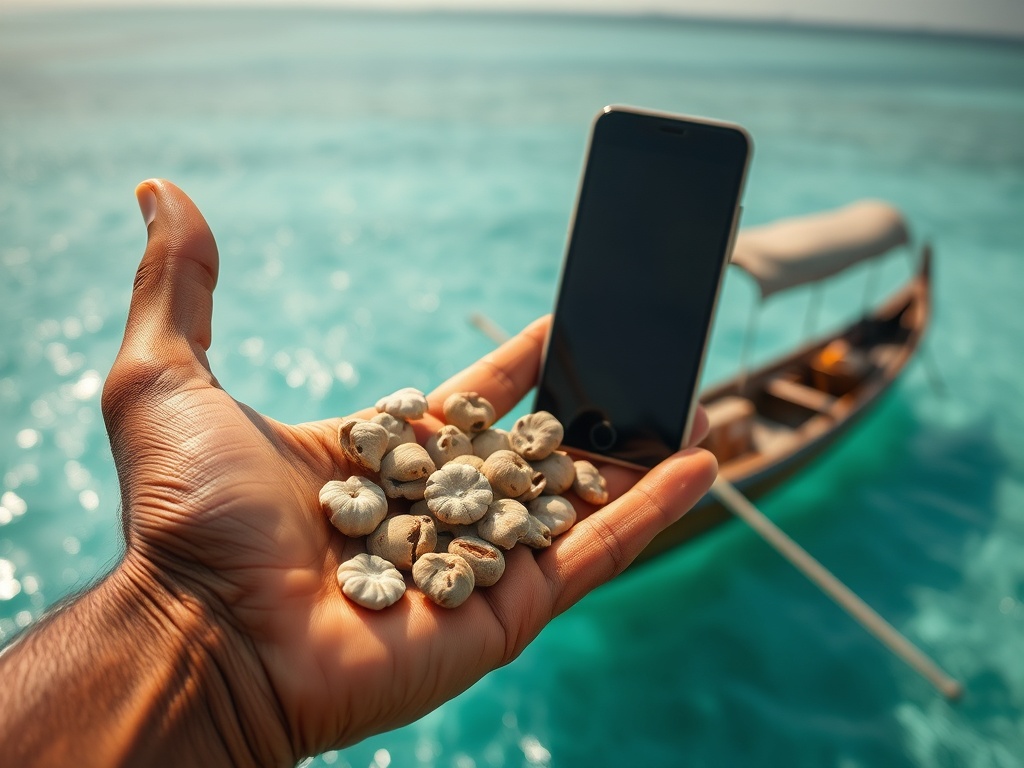
From Cowrie Shells to Smartphones in One Maldivian Hand
There was a time when cowrie shells defined Maldivian prosperity—small, gleaming tokens of natural wealth that connected these islands to ancient trade routes. Our forefathers built lives of contentment around these maritime treasures, their value measured not just in currency but in cultural significance. Today, that simple economic model feels like distant folklore, replaced by the complex machinery of modern governance and global tourism.
The contemporary Maldivian identity exists in a state of flux, caught between genetic heritage and national aspiration. Scientific understanding confirms what oral histories have long suggested—that Maldivians share significant DNA with South Asian neighbors, tracing migration patterns back millennia. Yet this biological connection exists alongside a growing desire to assert distinct national sovereignty, creating a delicate balancing act between acknowledging shared roots and cultivating unique identity.
This tension manifests in daily life. The young graduate returning from overseas studies encounters a society where connections often outweigh qualifications, where introductions to those in "top govt positions" or opposition circles can determine career trajectories. Meanwhile, economic pressures mount—the high cost of living, foreign currency shortages, and employment challenges create an environment where rumors spread like monsoon rains, feeding discontent among those struggling to find their footing.
Modern Maldivians navigate multiple worlds simultaneously: the traditional values of island communities, the demands of global tourism economy, and the complex realities of political patronage systems. The once-straightforward path from education to employment now winds through networks of influence and opportunity, where who you know sometimes matters more than what you know.
Yet beneath these contemporary challenges lies the enduring Maldivian resilience that once transformed seashells into prosperity. The same innovative spirit that mastered ancient maritime trade now seeks solutions to modern problems—from sustainable tourism to technological adaptation. The question remains whether this generation can harness that inherent capability to build a future that honors both the contentment of the past and the possibilities of the future, creating new forms of prosperity as meaningful as those cowrie shells once were.
— Source fragments: "once upon a time we made a living exporting cowrie shells our forefathers became rich due to the shells and lived a happy contented lives", "the majority of us do share 95-98% dna with south asians", "some are in top govt positions. others are in opposition. come when u finis ur studies. i will introduce some to u", "To the discontented, rumors are feed"