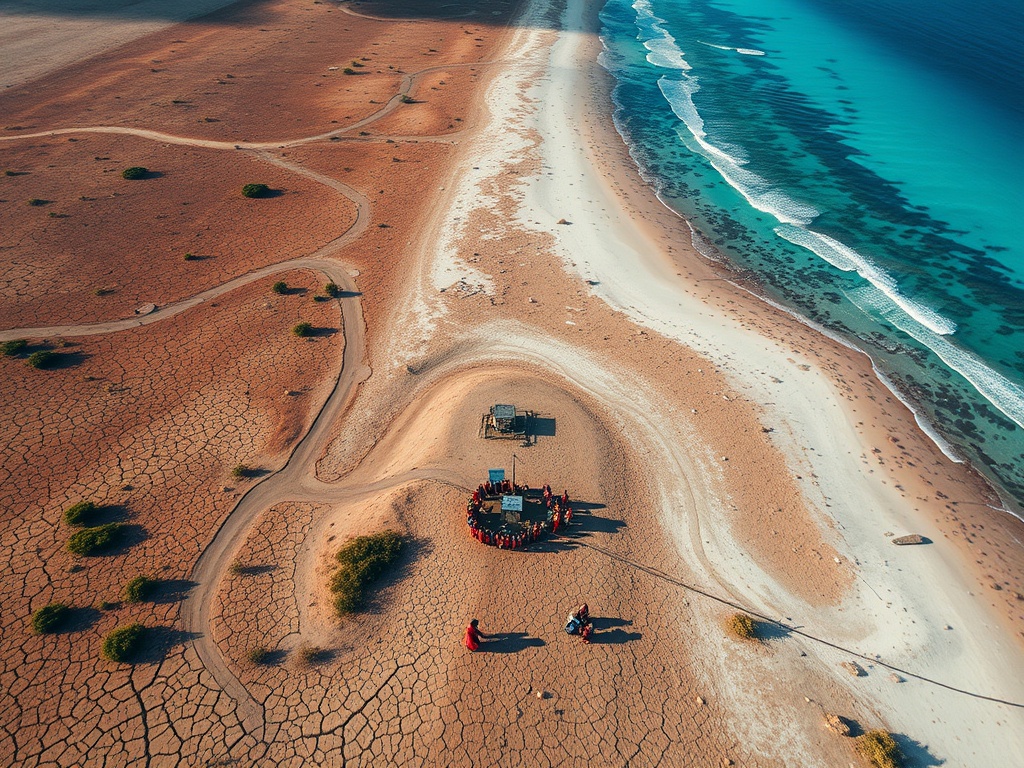
Fuvahmulah's Three-Word Plea: Water, Water, Water
The water crisis in Fuvahmulah has become more than just a shortage of resources—it represents a fundamental breakdown in governance and local empowerment. As residents desperately call for water, repeating the simple plea "water, water, water, and more water," the underlying structural issues become impossible to ignore.
The current system of state-owned enterprises creates a troubling dynamic where local mayors and councils find themselves powerless to address basic utility needs. When electricity fails or water runs dry, local leaders watch helplessly as centrally controlled systems prove unresponsive to island realities. The very structure seems designed to ignore the people who actually live with these consequences daily.
This disconnect exists despite clear legislative intent to the contrary. The Decentralization Act specifically mandates that third-party service providers, including state enterprises, must establish formal agreements with local councils. Yet in practice, SOEs consistently refuse to comply, operating as if decentralization never happened. The law exists on paper but fails in execution, leaving communities like Fuvahmulah trapped between their legal rights and operational realities.
The argument for community ownership of utilities grows stronger with each crisis. When resources remain under distant bureaucratic control, the people who depend on them have no meaningful say in their management or distribution. The current model treats island residents as passive recipients rather than active participants in their own development.
What Fuvahmulah experiences today echoes across the archipelago—communities watching their basic needs go unmet while centralized systems prove unaccountable. The water crisis isn't merely about infrastructure; it's about power, autonomy, and the fundamental right of communities to control the resources that sustain them. Until state enterprises recognize local councils as legitimate partners rather than obstacles, these crises will continue to repeat, leaving thirsty communities wondering when their voices will finally be heard.
— Source fragments: Water crisis appeals, SOE system limitations, decentralization law violations