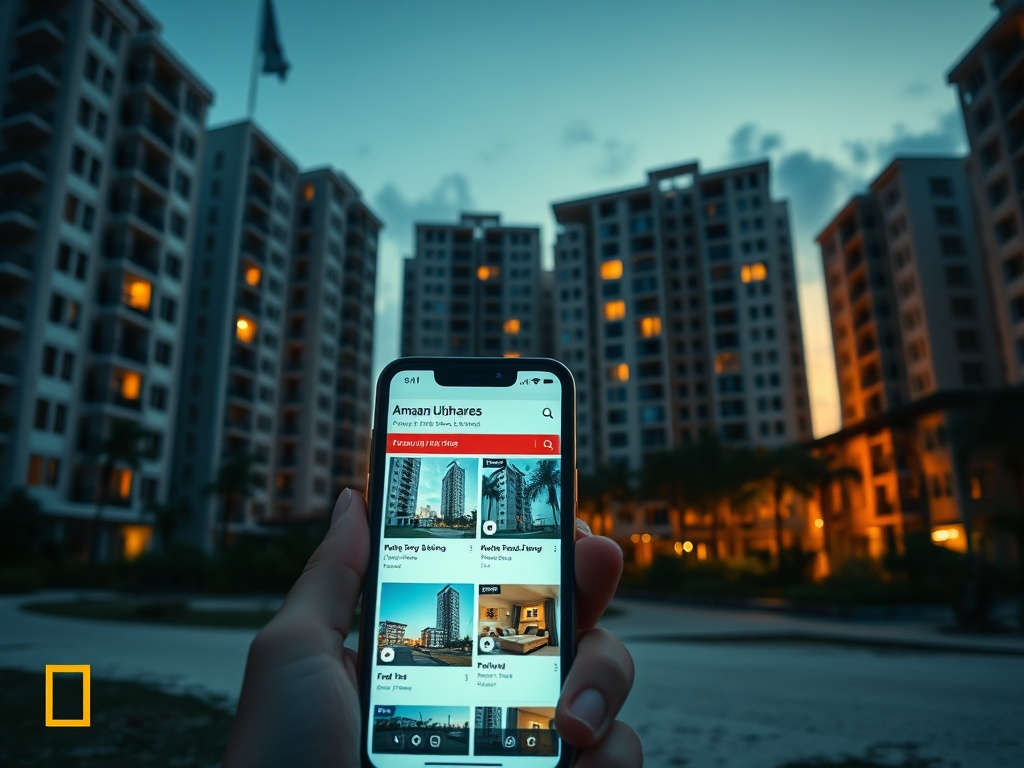
Gedhoruveriya flats already being rented out
When I first saw those Facebook posts advertising Gedhoruveriya flats for rent, my heart sank. It hasn't even been two weeks since FDC started handing over keys in Hulhumale' Phase 2, and already people are treating these homes not as shelter for families in need, but as investment properties. The photos show empty units with that new-paint smell, already being marketed for MVR 25,000 per month—more than double the government's official rate of MVR 11,500.
This isn't just about breaking rules; it's about breaking trust. We all know how desperate the housing situation is in Malé. Forty percent of our citizens live crammed on less than two square kilometers. The Gedhoruveriya program was supposed to be our collective answer to this crisis—a promise that people living in the most difficult circumstances would finally have a place to call their own. Instead, we're seeing the same pattern that has plagued previous housing schemes: politically connected individuals gaming the system while genuine applicants wait years.
What hurts most is knowing who these flats were meant for. I think of the young couples I know—both working multiple jobs, paying exorbitant rents for single rooms in Malé, saving every rufiyaa while hoping their name might come up in the housing lottery. I think of the single mothers raising children in overcrowded extended family homes, dreaming of space where their kids could study properly. These are the people who should be moving into those Amaan Udhares towers, not wealthy landlords adding another property to their portfolio.
The mathematics of this betrayal is stark. At MVR 25,000 per month, these rentals become luxury offerings, completely inaccessible to the working families the program was designed to serve. That extra MVR 13,500 above the official rate represents nearly an entire month's salary for many Maldivians. It's the difference between a family being able to afford groceries or going into debt.
We've seen this movie before in our islands—well-intentioned social programs being exploited by those with connections and capital. The pattern repeats: subsidies meant for fishermen ending up with commercial operators, healthcare benefits being drained by fraudulent billing, and now housing for the poor becoming another revenue stream for the already comfortable. Each time this happens, it erodes our faith that any system can work fairly for ordinary citizens.
Yet I still believe we can do better. The solution isn't complicated—it's about enforcement and accountability. FDC must follow through on their threat to repossese units being illegally rented. Our communities need to speak up when we see this happening, to shame those who would profit from others' desperation. Most importantly, we need to remember that housing isn't just concrete and pipes—it's dignity, stability, and the foundation upon which families build their futures.
Perhaps what we're witnessing is a wake-up call. The speed with which these rental ads appeared suggests this was always someone's plan, not a spontaneous decision. As more towers are handed over in the coming weeks, we'll be watching closely. Will this become another story of systemic failure, or will we finally draw a line and say enough—these homes belong to those who need them, not those who greed them.