Gedhoruveriyaa scheme flats face unfair subletting crisis
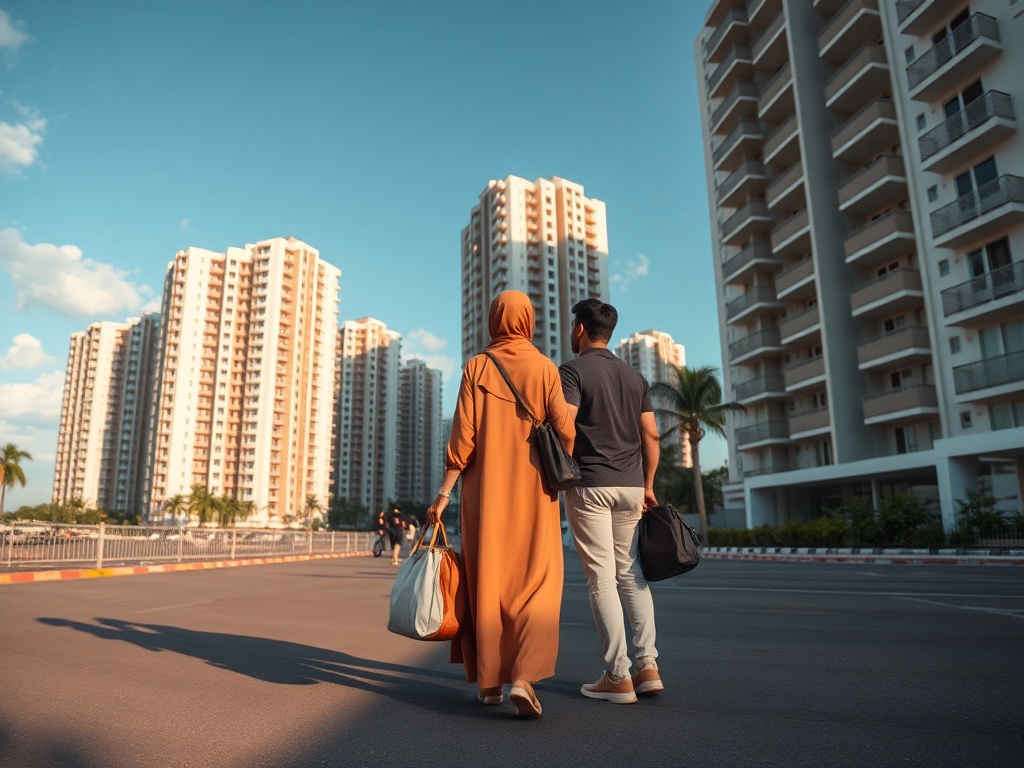
The warm sea breeze carries the scent of salt and frustration across Hulhumalé. We stand here, looking at these concrete towers that were supposed to be our solution, our escape from the crushing density of Malé. The Gedhoruveriyaa scheme promised us homes—subsidized flats meant for Maldivian families struggling to find affordable housing in our capital city. Yet what we witness now feels like a betrayal of that promise.
These flats, built with public funds and intended to ease our housing crisis, are being quietly sublet to others while the original leaseholders disappear. Many have moved abroad, collecting rent payments that should never have been their personal income stream. Meanwhile, families who genuinely need these homes remain stuck in limbo—forced to leave Malé entirely because they cannot find affordable housing, while these subsidized units sit occupied by people who never needed the subsidy in the first place.
The injustice cuts deeper when we consider who suffers most. Young couples starting their lives together, single parents trying to raise children with dignity, elderly citizens who've spent their entire lives in these islands—all find themselves pushed further from the economic center of our nation. The choice to leave Malé for Hulhumalé or other islands isn't truly a choice when the alternative is homelessness. It's displacement disguised as opportunity.
What makes this situation particularly painful is the consistency problem. The same system that claims to help citizens in need simultaneously allows this exploitation to continue unchecked. We see political connections protecting those who violate the spirit of social housing, while ordinary families follow the rules and receive nothing. The very concept of subsidized housing loses meaning when the subsidies don't reach the people who need them most.
The rental aspect adds another layer of complexity. When people sublet these flats at market rates, they're essentially profiting from public welfare. The original purpose—to provide affordable housing—gets completely lost. Meanwhile, the government continues covering the subsidized rent for flats that are no longer serving their intended beneficiaries.
This isn't just about housing policy; it's about who we are as Maldivians. Our islands have always operated on principles of community and mutual support. When someone takes advantage of a system meant to help everyone, it damages the social fabric that holds us together. The trust between citizens and institutions erodes a little more with each unfairly occupied flat.
We need to ask ourselves what kind of nation we're building. One where connected individuals can exploit public resources while genuine citizens struggle? Or one where our social contracts mean something—where when we create programs to help people, they actually reach the people who need help?
The solution begins with transparency and accountability. We need clear records of who actually lives in these flats, regular checks to ensure compliance with the program's intent, and consequences for those who treat public housing as private investment opportunities. More importantly, we need to restore the original vision: these flats should be homes for Maldivians who cannot afford market rates, not revenue streams for those already comfortable.
Our islands face many challenges—from economic pressures to environmental concerns—but how we treat each other in times of need defines our character as a nation. The housing crisis tests our commitment to justice and fairness. If we cannot get this right, what can we get right? The sea that surrounds us connects every island; the principles of fairness should connect every citizen.