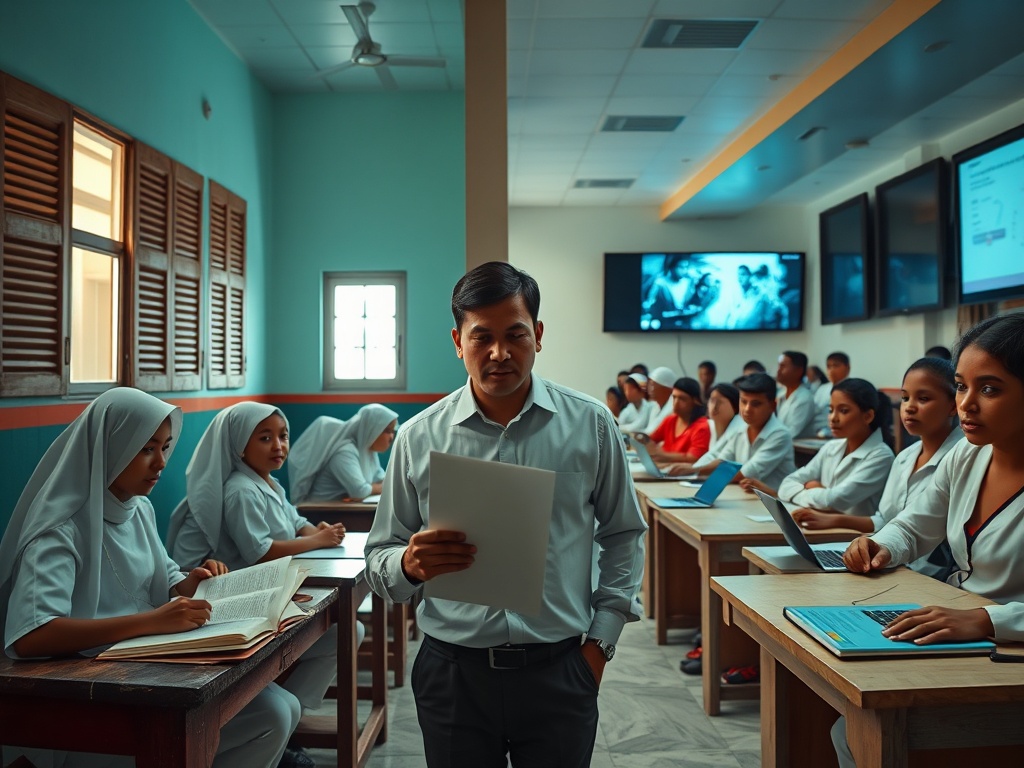
Gender-Segregated Schooling at the Core of Maldives' Curriculum Overhaul
Maldivian education stands at a critical crossroads. The THAIBA initiative's curriculum reform contract ignites a fundamental debate on the nation's future. This effort contrasts the drive for a knowledge-based society, led by institutions like the Maldives National University, with a deep-seated cultural desire to preserve Islamic and moral order. At the heart of this discourse is the call for gender-segregated schooling, a mainstream expectation grounded in Islamic identity. Advocates view it as a protective measure to foster focus and safeguard values, inspired by traditional models like Majeedhiyya and Aminiyya. They see classrooms as arenas for shaping creed and building resilience of faith. Simultaneously, other priorities emerge. Safety concerns drive advocacy for CCTV in classrooms, reflecting anxiety over accountability. The defense of degrees from local colleges such as Villa and MNU highlights a need for recognition of homegrown achievement. Homeschooling's rise and demand for legal protection signal lost confidence in the centralized system. These issues are interconnected. Logistical failures, like unsustainable courses in regional campuses due to low enrollment, reveal economic and geographic challenges. Nostalgia for white uniforms symbolizes a yearning for clarity and shared national experience. The THAIBA initiative must reconcile data-driven pedagogy with cultural imperatives for Islamic and Maldivian identity. Reform requires nuanced dialogue on not just what children learn, but who they should become. Success will be measured in honoring the past while building a confident future.
— Source fragments: THAIBA initiative consultancy contract for curriculum reform; strong advocacy for gender-segregated schools based on Islamic identity and traditional models (Majeedhiyya, Aminiyya); MNU as a lead institution for research-based policy; debates over the value of local college degrees; emergence of homeschooling and demand for legal protection; calls for CCTV for safety; nostalgia for white uniforms; practical challenges in regional campuses.