Generations Share Rooms While the Connected Get Deeds
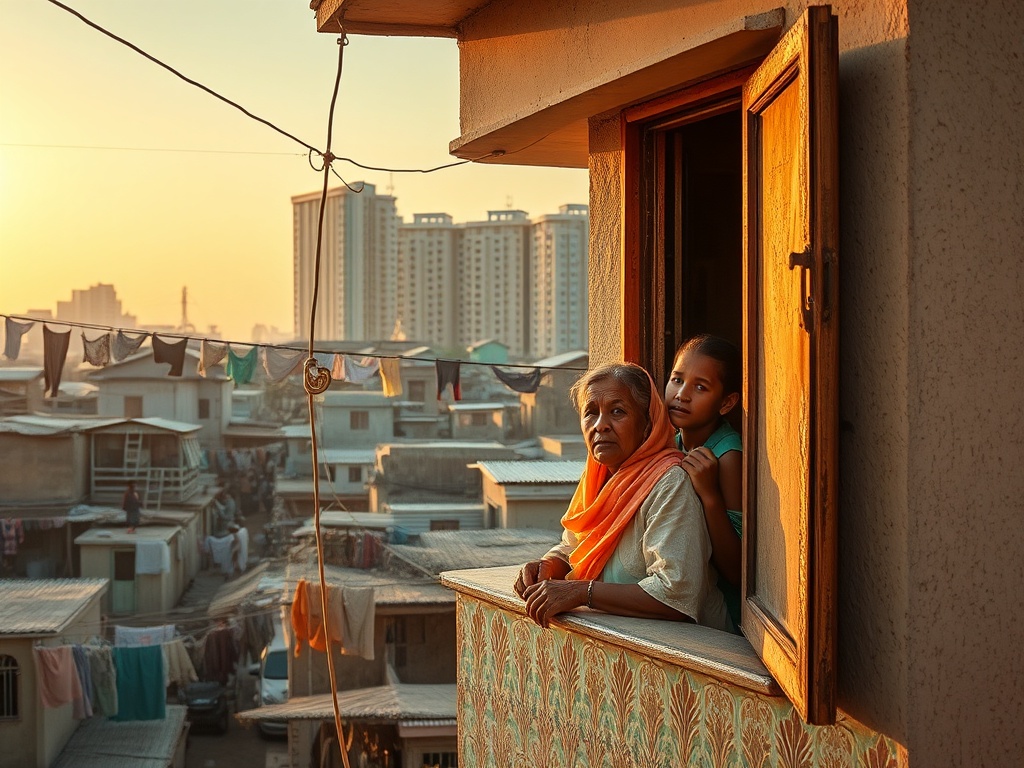
In the cramped living quarters of Malé, where multiple families often share single rooms and generations coexist without privacy, a quiet desperation grows. The housing crisis that has gripped the Maldives' capital for decades is not merely an inconvenience—it's a fundamental failure of social justice that cuts across geographic and economic lines.
The recent distribution of land in Hulhumalé Phase 2 has become a flashpoint in this ongoing struggle. Rather than providing permanent solutions for those most in need, some recipients have turned their allocations into investment opportunities, listing plots for sale on online marketplaces. This practice betrays the original intent of housing programs and reinforces a system where opportunity appears reserved for those already positioned to benefit.
Across Greater Malé, the numbers tell a stark story. Over 30,000 applicants remain on waiting lists for social housing while paying what many describe as unbearable rents. A two-bedroom apartment that might reasonably cost 5,000 Rufiyaa instead commands 16,000, with three-bedroom units reaching 23,000—figures that consume the majority of average incomes. The irony is particularly sharp for native Malé residents who find themselves paying exorbitant rents for properties they'll never own, despite generations of connection to the capital.
The debate often falls into false binaries—Malé residents versus those from other atolls—but the reality is more complex. While some argue that islanders forced to relocate to the capital for work or services deserve consideration, others point to the unique predicament of those born into overcrowded conditions with nowhere else to go. The question isn't about pitting one group against another, but about creating a system that recognizes all forms of housing insecurity.
Government intervention remains inconsistent at best. While authorities regulate taxi fares and other commercial activities, they claim inability to control rental markets. Meanwhile, programs that provide free land and construction loans to some coexist with a complete lack of protection for tenants facing ever-increasing housing costs.
The solution requires moving beyond piecemeal approaches that serve political rather than social needs. Some propose decentralizing development investment to reduce pressure on the capital, while others call for stricter regulations preventing the exploitation of public housing resources. What remains clear is that without comprehensive reform, the cycle will continue: the connected will benefit, the desperate will pay, and the social fabric will fray a little more with each passing year.
— Source fragments: Hulhumalé Phase 2 land sales on ibay; 30k+ waiting for social housing; native Malé residents sharing cramped spaces; rent prices 16k-23k for apartments; government inconsistency in regulation; debate between Malé natives and islanders