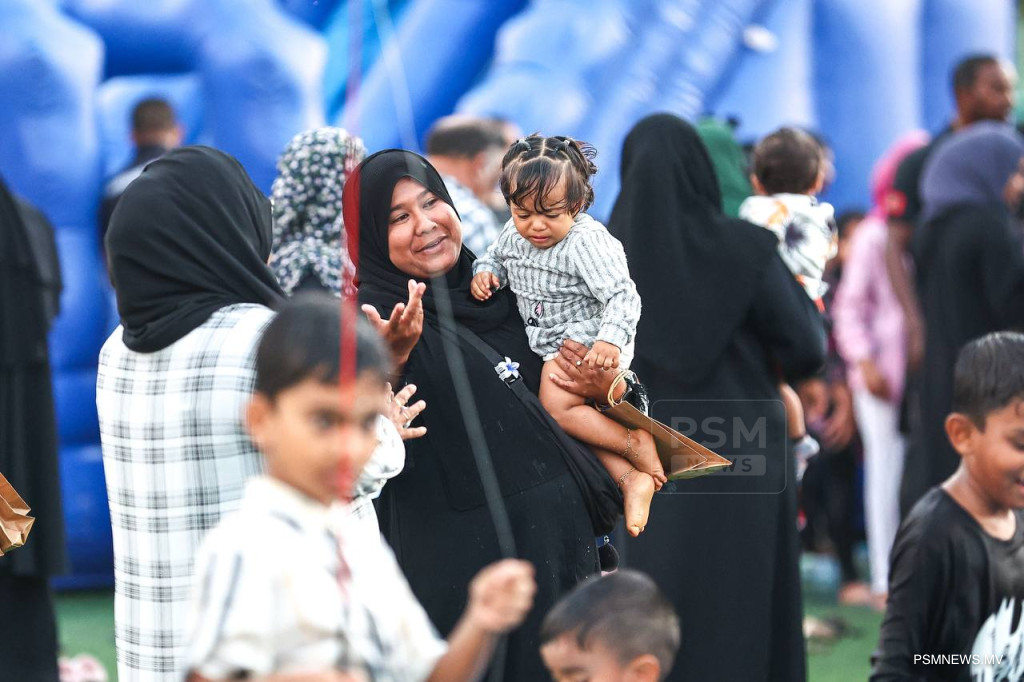
Global Mother's Day Highlights Maternal Courage and the Sacred Duty of Care
Communities across the globe are celebrating Mother’s Day today, recognizing mothers as exemplary models of courage and resilience. Observed annually on the second Sunday of May, the occasion honors the fundamental role mothers play in the upbringing, education, and moral guidance of their children.
The celebration extends gratitude to all mothers, whether those balancing demanding professional careers with childcare or those dedicated to the arduous, full-time labor of raising children at home.
In the Maldives and across the Islamic world, the status of mothers is profoundly elevated. This is underscored by a well-known Hadith where the Prophet Muhammad emphasized a mother's right to good company three times over before mentioning the father. Within this tradition, serving one’s mother and ensuring her contentment are regarded as primary pathways to Paradise.
Religious doctrine specifically highlights the immense physical and emotional toll of motherhood. The Holy Quran acknowledges the hardship of pregnancy, the agony of childbirth, and the relentless dedication required to sustain a family, issuing a divine command to treat mothers with the utmost kindness.
However, modern motherhood brings a new set of psychological challenges. Many mothers today struggle with anxiety fueled by unsolicited commentary on their physical changes during pregnancy or societal judgment regarding their children's development. These burdens are often magnified for single mothers who, following marital separations, frequently shoulder the entire financial and emotional weight of parenting without support from the father.
Furthermore, the issue of elderly isolation is growing. Many aging mothers face loneliness as adult children become increasingly consumed by demanding schedules, leaving a void of affection and companionship in their later years.
While the gratitude owed to mothers cannot be confined to a single calendar date, Mother’s Day serves as a formal recognition of maternal resilience. It remains a collective societal responsibility to ensure a secure environment that guarantees the psychological and physical well-being of mothers in every stage of their lives.