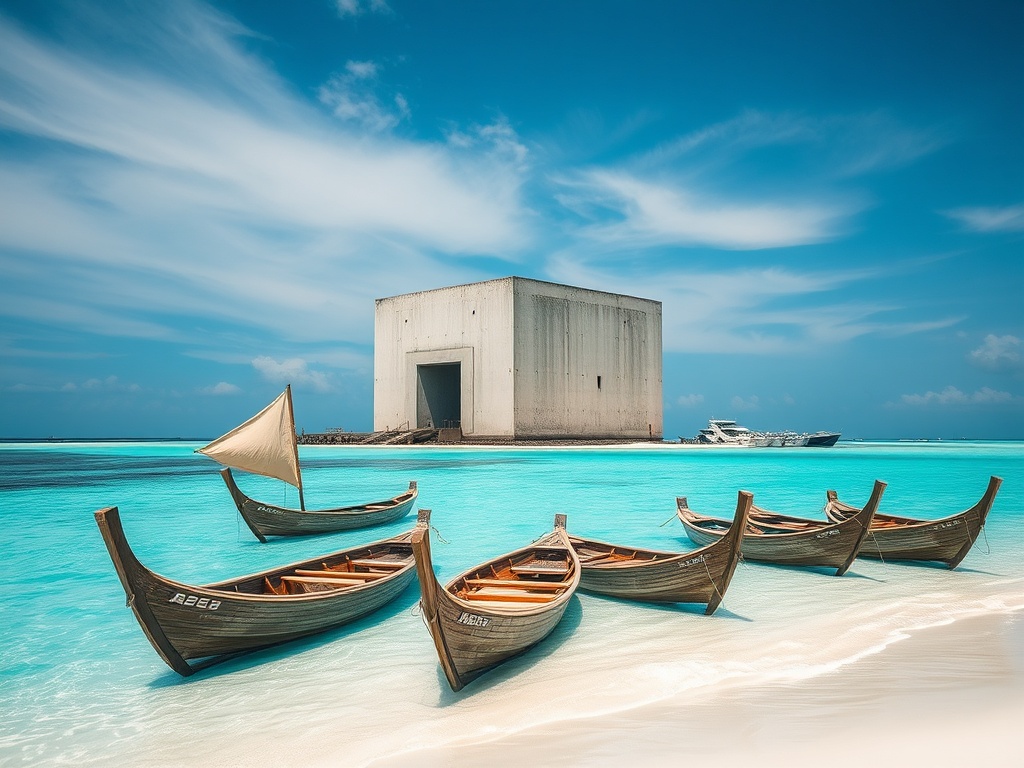
Google's Windowless Building on Addu's Shore
The announcement of a Google data center in Addu felt like progress—another international giant planting its flag in Maldivian soil. But beneath the surface, questions simmer about what exactly we're getting from these arrangements. A windowless building, self-contained generator systems, and rental income—is this the full extent of our digital dividend?
This unease extends beyond physical infrastructure to the very tools we use daily. Our search engines, the gateways to information, increasingly feel like they're promoting agendas we don't control. When we rely on platforms that can amplify voices we find objectionable, where do we draw the line between utility and complicity?
The recent CloudFlare outage exposed a deeper vulnerability: our dependence on centralized systems that can vanish in an instant. The cloud, for all its convenience, remains "someone else's computer"—and when that computer goes down, so does our digital existence. This isn't just about technical redundancy; it's about sovereignty.
Meanwhile, we've handed over the backbone of our ICT infrastructure to foreign companies, creating a paradox: we're more connected than ever, yet less in control. The very systems meant to empower us have become points of vulnerability.
The response isn't technological isolation but technological maturity. If creating alternatives is truly accessible, then why not build our own? Why remain hostages to platforms that can sensor and shape our digital experience according to their values rather than ours?
Young Maldivians, who should be at the forefront of this digital awakening, face their own challenges. They're expected to be sharp, to navigate this complex landscape, yet often lack the opportunities to truly understand—let alone build—the systems shaping their future.
As AI becomes ubiquitous, much like autocorrect, the stakes only grow higher. We're not just debating technology; we're debating the future of Maldivian agency in a digital world. The question isn't whether to embrace progress, but how to ensure that progress serves Maldivian interests first—building not just infrastructure, but capability, not just connectivity, but sovereignty.
— Source fragments: google will just build a windowless data center in Addu and connect it with their own generator systems and that's it? we will only collect rent for the building?; Where do you draw the line? This application our search engines are used by them for these things; CF being down shows how fragile and centralized the cloud is; The cloud is just someone else's computer; If creating an app is so easy then lets create competition! Why let x sensor us all and hold us hostage to their views?; This after handing over the backbone and ownership of all our ict infrastructure to foreign companies; young people are supposed to be sharp