Government Completes Pay Harmonization for 93 Percent of State Employees
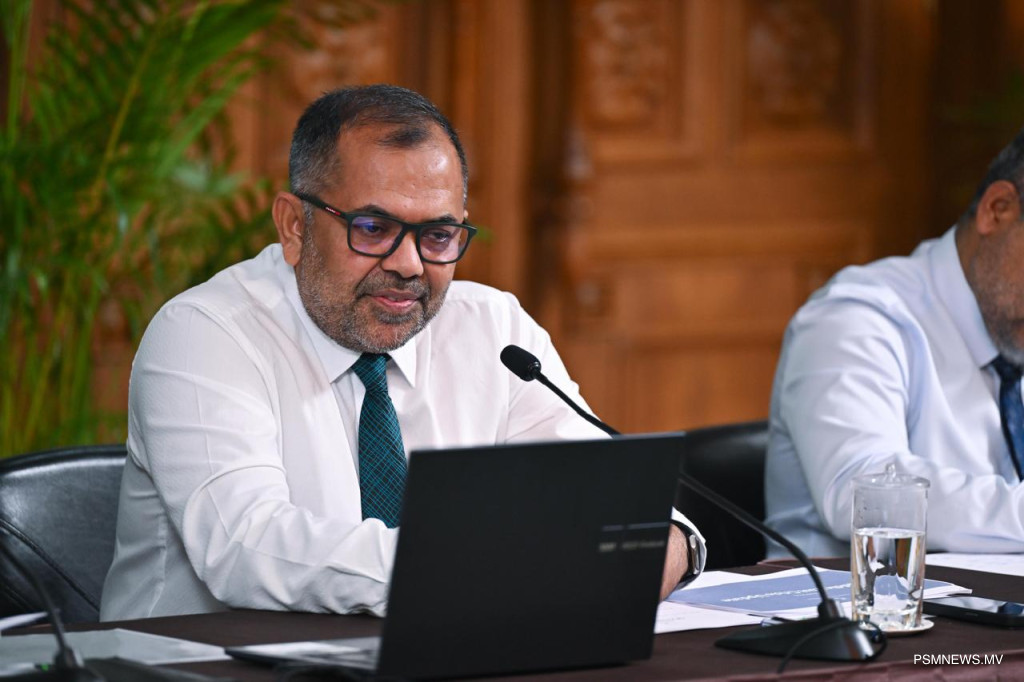
The Maldivian government has finalized the pay harmonization process for 93 percent of state employees, according to the Minister of Finance and Public Enterprises, Moosa Zameer. Speaking at a press conference held at the President’s Office, the minister confirmed that the remaining portion of the workforce will be processed shortly, with final preparations already underway.
This transition is part of the National Pay Framework, a strategic initiative designed to standardize salaries and allowances across all government agencies. By creating a uniform structure, the government seeks to eliminate disparities between different state entities and ensure a more equitable distribution of pay based on role and responsibility.
Beyond simple salary adjustments, the new system aims to fundamentally shift how civil servants work. The framework is designed to reduce the systemic reliance on overtime pay, encouraging more efficient working hours and boosting overall productivity. The Ministry of Finance emphasized that these changes are intended to improve general income levels, promote a sustainable work-life balance, and foster a healthier society.
More than 20,000 government employees are expected to benefit from the positive changes introduced under the new framework. The scale of the rollout highlights the government's effort to modernize the public sector's financial administration.
To ensure that no employee is financially disadvantaged during the transition, the ministry has implemented a safeguard for those whose base salaries might decrease during the migration process. In such cases, employees will receive a specific migration allowance to compensate for the difference, adhering to established government guidelines.
This harmonization effort represents a significant step in the administration's goal to streamline public expenditure while simultaneously enhancing the welfare and professional stability of the state's workforce.