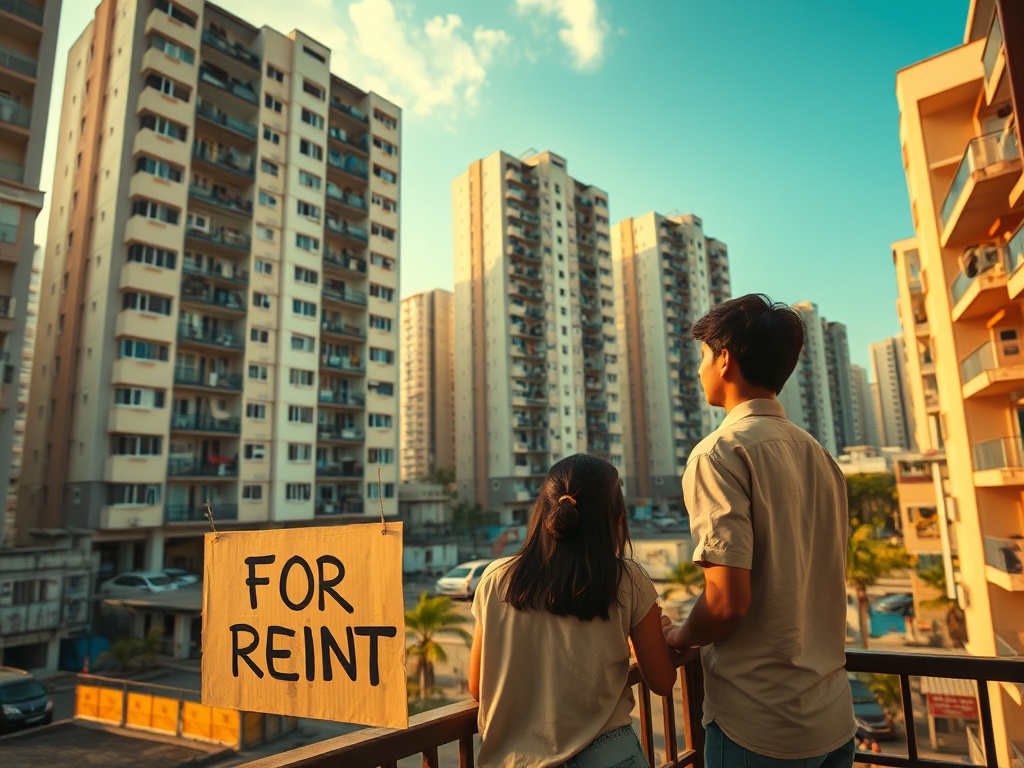
Government housing projects are politicized.
In the cramped lanes of Malé, where the sea breeze carries the scent of salt and frustration, the promise of a home has become a political tool. The government's housing initiatives, announced with grand ceremony, are often tied to electoral cycles and political loyalties. This isn't just about shelter; it's about a system where the basic need for a roof over one's head is leveraged for votes.
What happens when a policy designed to alleviate suffering is twisted to serve a different master? The result is a two-tiered reality. On paper, thousands of subsidized flats are allocated to deserving citizens. On the ground, many of these units are quietly subleased by the original leaseholders who often reside abroad. They pay minimal rent to the state but charge market rates to desperate tenants, turning a public welfare program into a private, profit-driven enterprise.
This practice doesn't just exacerbate the housing shortage; it erodes public trust in every institution involved. If the government cannot ensure its housing reaches the people it was meant for, what other public goods are being similarly diverted? The question lingers in the humid air, unanswered, as families double up in single rooms and young couples delay marriage for lack of a place to live.
The cause is clear: a governance model where political expediency trumps long-term planning and ethical administration. The effect is a capital city where the gap between policy intention and lived reality grows wider with each new tower. When the system is perceived as corrupt, even well-meaning initiatives are met with public cynicism.
How do we break this cycle? It requires more than just building more apartments. It demands transparent allocation systems, robust enforcement against subleasing violations, and a political will that prioritizes citizens over patronage. Until then, the dream of affordable housing in Malé will remain just that—a dream, politicized and out of reach for many who need it most.