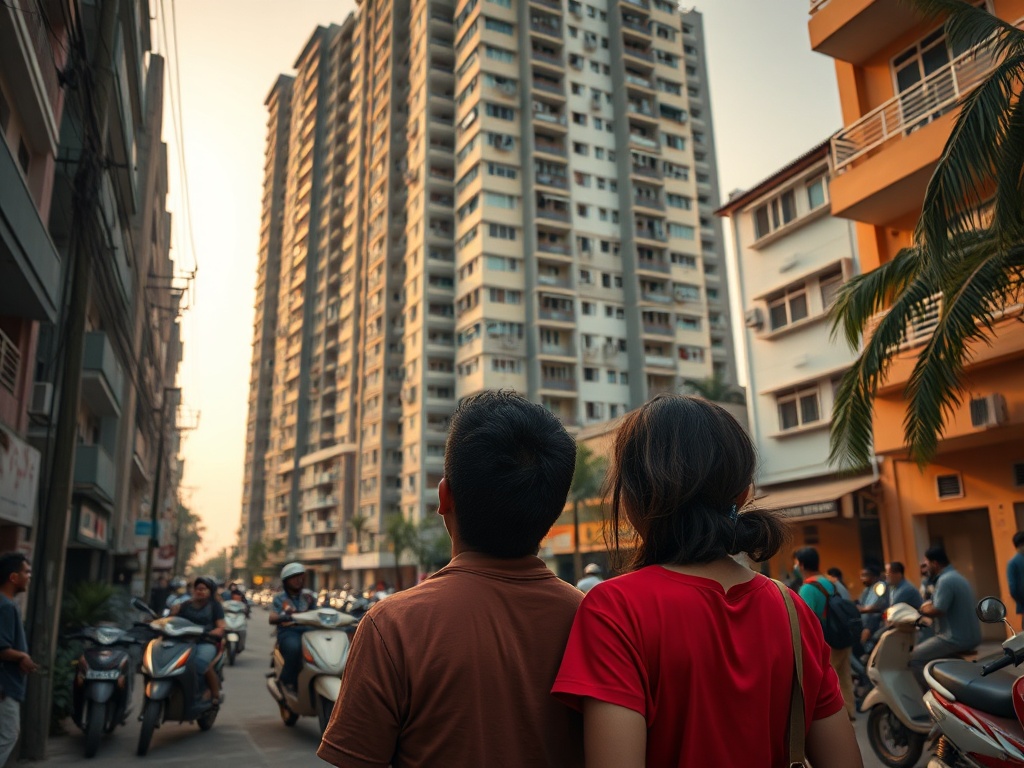
Government housing projects are politicized.
In the heart of Malé, where concrete towers scrape the sky and families squeeze into cramped apartments, a promise echoes through political rallies: housing for all. Yet, behind the gleaming facades of government-subsidized flats lies a system twisted by patronage and profit. Why do these essential projects consistently become tools for political loyalty rather than solutions for desperate families?
The answer begins with election cycles. When land and assets are distributed as campaign currency, who truly benefits? Not the young couple saving for a wedding while living with parents, nor the single mother working three jobs to afford a room. Instead, well-connected individuals secure leases, only to vanish abroad—subletting their subsidized units at market rates. This isn't just corruption; it's a betrayal of the social contract, leaving actual residents stranded in a speculative game.
Consider the ripple effects. As politically-appointed leaseholders profit from public resources, the housing shortage worsens. Rents in Malé soar, pushing locals further to the margins. Meanwhile, expatriates—often unaware of the underlying politics—fill these flats, intensifying competition for scarce space. Does this cycle not fuel the very social fractures it claims to mend?
The mechanism is simple: allocate housing to loyalists, secure votes, then ignore the consequences. But the human cost is profound. Families delay marriages, children grow up in overcrowded homes, and community bonds fray. When a basic need like shelter becomes a political commodity, what does that say about our governance?
Solutions exist—transparent allocation systems, strict residency requirements, and community-led oversight. Yet, these measures threaten the patronage networks that sustain power. So, the question remains: will we continue to watch our islands' future be leased away, or demand that housing serves people, not politics?