Government Overhauls Student Loans to Prioritize Technical Skills for National Development
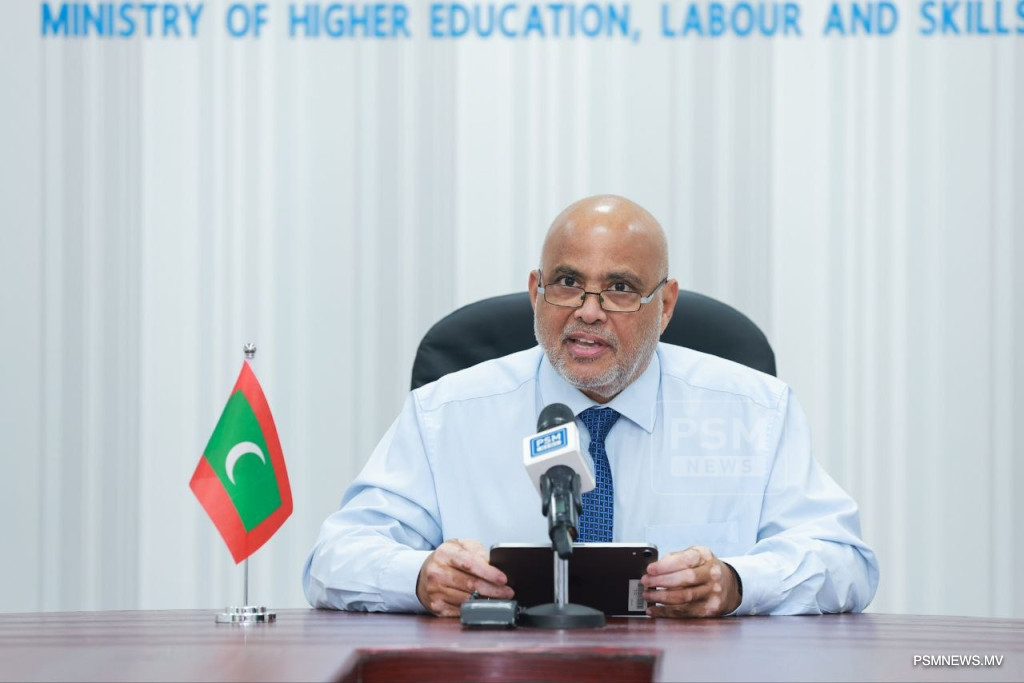
The Maldivian government has restructured its national student loan programme to channel at least half of all funds into technical education, aiming to address critical skill gaps and fuel national development. Minister of Higher Education, Labour and Skills Development Dr Ali Haidar announced the reforms during a ceremony marking the opening of applications for higher education and training loans.
A minimum of 50 percent of the loan scheme's resources will now be exclusively reserved for technical fields deemed essential for the Maldives' growth, such as engineering, healthcare, and information technology. Loans for non-technical sectors will be maintained at fixed levels to ensure strategic alignment with the country's most pressing economic needs.
'This will encourage students to study in the fields that the country needs most,' Haidar explained. 'The main objective is to make every student an educated, capable, skilled, and productive person who will contribute to nation building.'
To improve accessibility, the Ministry has eliminated application deadlines. Students can now apply for a loan as soon as they receive their placement certificate, a letter of intent from the Maldives Qualifications Authority (MQA), and a fee structure, streamlining the process and reducing delays that previously prevented timely study commencements.
Additionally, the controversial categorisation of applicants into new students and enrolled students has been abolished, ensuring equal and guaranteed access to financing for all eligible individuals. The loans remain Sharia-compliant, with students charged no interest beyond the actual amount spent on their studies—a policy upheld since last year.
The Ministry is also reviewing stipend rules for students studying abroad, underscoring a continued commitment to supporting Maldivian scholars internationally. These changes represent a focused effort to build a skilled workforce capable of driving sustainable development across the archipelago.