Government Proposes Ban on Waste Imports and Plastic Bag Levy Reforms
The Maldivian government has submitted a series of amendments to the Waste Management Act aimed at strengthening environmental regulations and streamlining how the nation handles refuse. The bill, introduced for its first reading in the Majlis on Tuesday, seeks to create a more sustainable and comprehensive legal framework for the archipelago.
Presented by Ibrahim Shifaz, the Parliamentarian for Ungoofaaru Constituency, the proposed legislation introduces a definitive ban on the import of waste into the Maldives. By formally prohibiting the entry of foreign waste, the government aims to protect the fragile island ecosystem from external pollutants and prioritize local waste reduction strategies.
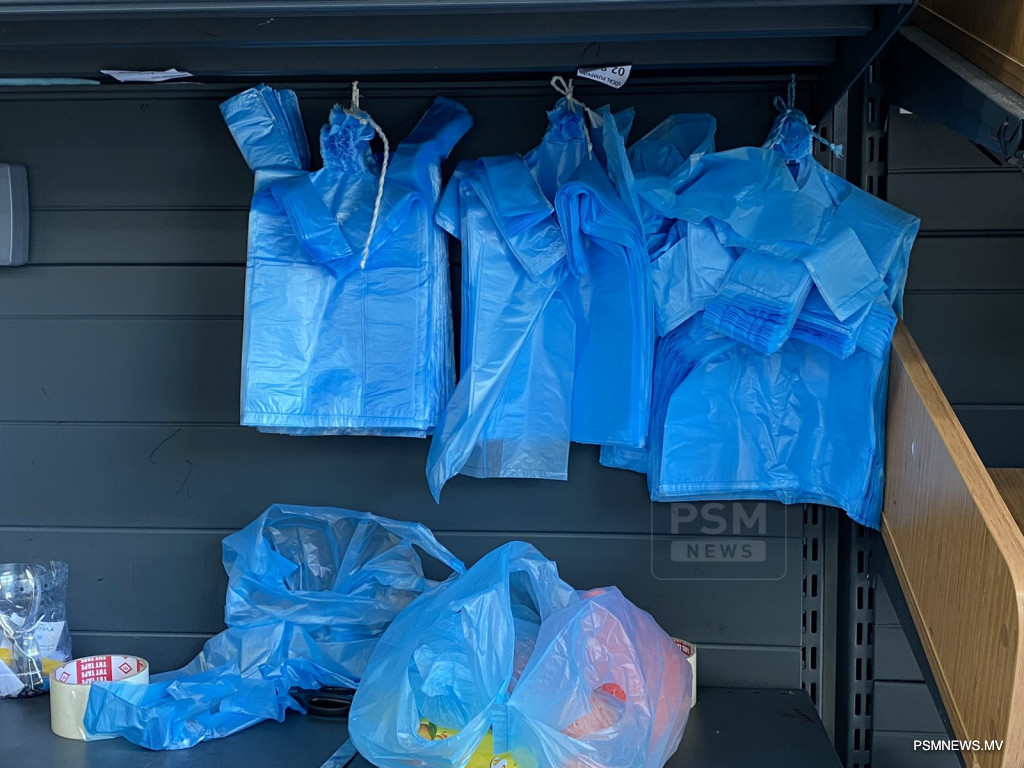
In a significant shift for retailers and consumers, the bill proposes scrapping the USD 0.13 levy currently charged per bag on bundles containing more than 50 plastic bags. While this move is expected to reduce immediate costs for businesses, the government acknowledges that it will lead to a decline in state revenue generated from the plastic bag levy.
Beyond fiscal changes, the amendments focus on institutional clarity. The bill intends to more precisely define the roles of the agencies responsible for implementing the Act, ensuring that waste management activities are strictly aligned with the national master plan and individual city waste management strategies. This alignment is designed to resolve long-standing challenges in enforcement and operational planning.
Furthermore, the legislation places greater responsibility on the private sector. Businesses engaged in industrial and economic activities will now be required to develop their own internal waste management policies. The bill also introduces new standards for waste management equipment and facilities to ensure they meet modern environmental benchmarks.
These reforms represent a strategic move toward a more circular economy, shifting the focus from mere disposal to structured management and prevention. By refining the legal tools available to the state, the government aims to address the unique logistical challenges of managing waste across a dispersed network of inhabited islands and resorts.