Government revenue surges 30.7% to MVR 3.01 billion
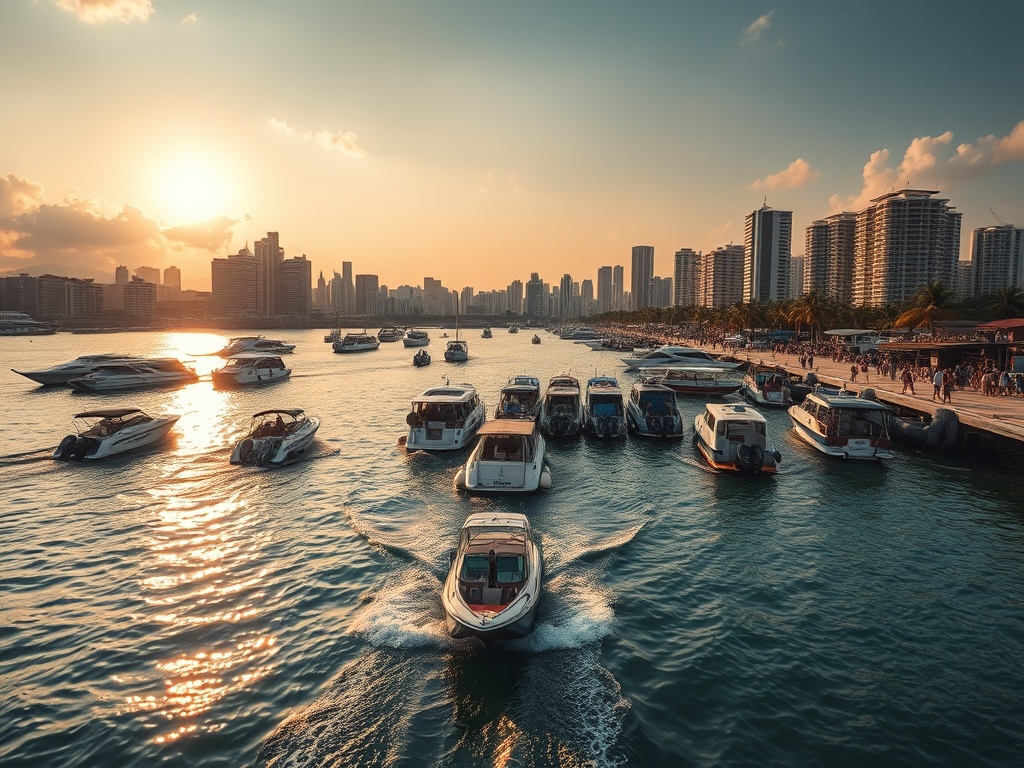
The numbers tell a story we've been waiting to hear for years—government revenue climbing by 30.7% in a single month, reaching MVR 3.01 billion. Standing at the Malé harbor, watching tourist speedboats shuttle between the airport and resorts, the economic reality becomes visible. The sea breeze carries the scent of both opportunity and uncertainty as we try to understand what this growth actually means for our islands.
Tourism has always been our economic backbone, but this surge comes at a complex time. While luxury resorts continue operating in their isolated bubbles where alcohol flows freely and swimwear is common, our local islands maintain their conservative Islamic character. The expansion of guesthouse tourism has brought more visitors directly into our communities, creating both economic opportunities and social tensions. Young Maldivians working in these guesthouses navigate between their personal relaxed demeanor and the expectations of their conservative families and neighbors.
The revenue increase from GST collections reflects more than just tourist spending—it shows how much daily life has become more expensive for ordinary families. As we walk through the crowded streets of Malé, where 40% of our citizens live crammed into less than two square kilometers, the disconnect between government revenue figures and personal financial struggles becomes starkly apparent. Many young people still can't find stable employment despite this economic growth, with youth unemployment hovering between 25-30%.
Those one-off lease extension fees represent another layer of our reality—the continued concentration of tourism wealth among politically connected individuals while many citizens struggle to afford basic housing. The subsidized flats meant to ease our housing crisis often end up being illegally sublet by leaseholders living abroad, leaving genuine families without proper accommodation.
What does this revenue surge mean for our strained healthcare system? Will Aasandha finally get the reforms needed to stop fraudulent billing by private clinics? Will public hospitals receive the medicines and specialists we desperately need? Many of us still must travel to India, Sri Lanka, or Malaysia for routine medical care because our local system remains inadequate despite economic growth.
The fuel subsidies for our fishermen continue, the universal electricity remains available to all citizens, and education support including overseas scholarships persists—these are the tangible benefits we see from government revenue. Yet we wonder if this latest surge will translate into better opportunities for the next generation, or if it will simply reinforce existing patterns where wealth flows to those already positioned to benefit.
As we look toward the future, the question remains whether this economic growth will reach the ordinary Maldivian family trying to make ends meet in a country where the cost of living continues to rise faster than wages. The numbers are encouraging, but the real test will be how this revenue translates into improved daily life across our scattered archipelago.