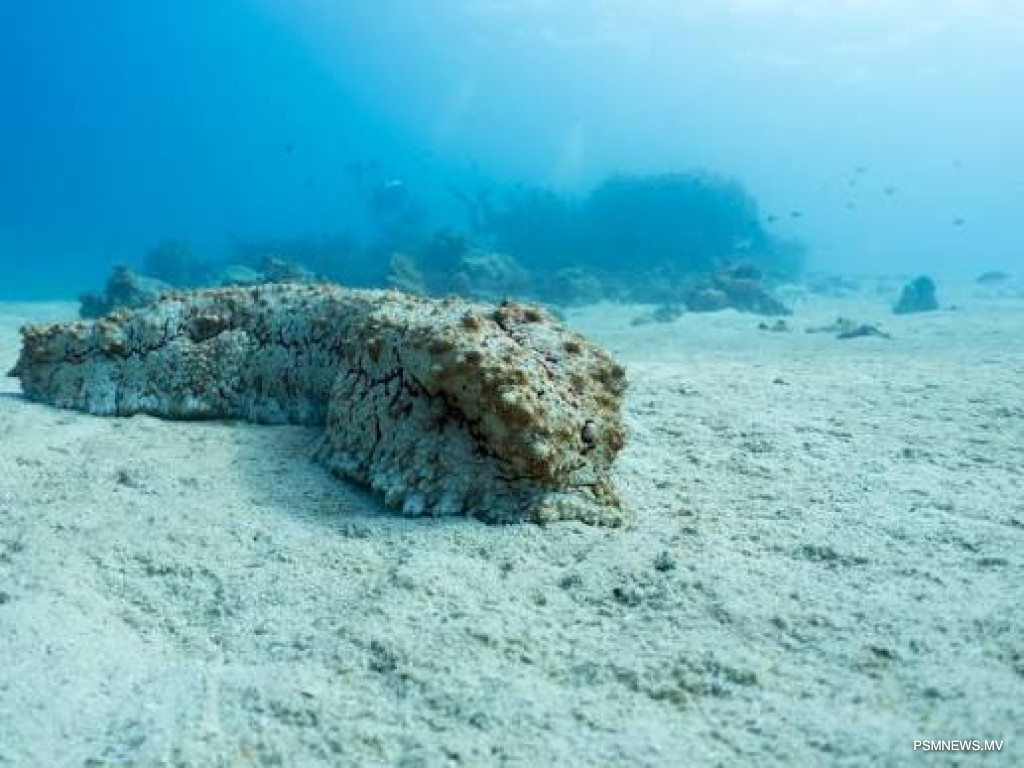
Government Sets New Export Guidelines for CITES-Listed Amberfish Sea Cucumber
The Ministry of Fisheries, Agriculture and Ocean Resources, in collaboration with the Ministry of Climate Change, Environment and Energy, has held consultations with exporters to establish a sustainable framework for the trade of amberfish sea cucumber.
As a species listed under the Convention on International Trade in Endangered Species of Wild Fauna and Flora (CITES), the amberfish sea cucumber is subject to strict international trade controls. To ensure these regulations are met, the government is implementing a Non-Detriment Finding (NDF), a critical scientific assessment used to determine if the export of a species will harm its survival in the wild.
The consultation focused on bridging the gap between environmental conservation and economic activity. Officials detailed the specific requirements exporters must fulfill to obtain the necessary permits and licenses, emphasizing that legal compliance is mandatory before any shipments can leave Maldivian waters.
Beyond the administrative hurdles, the discussions centered on creating a practical, transparent process for the industry. The goal is to streamline the export workflow while ensuring that the harvest does not deplete the resource, thereby securing the long-term viability of the sea cucumber population for future generations.
By integrating CITES requirements into local trade practices, the ministries aim to position the Maldives as a responsible actor in the international seafood market. Exporters were provided with comprehensive guidance on the application procedures for licenses, ensuring that the transition to the NDF framework is seamless and based on accurate environmental data.