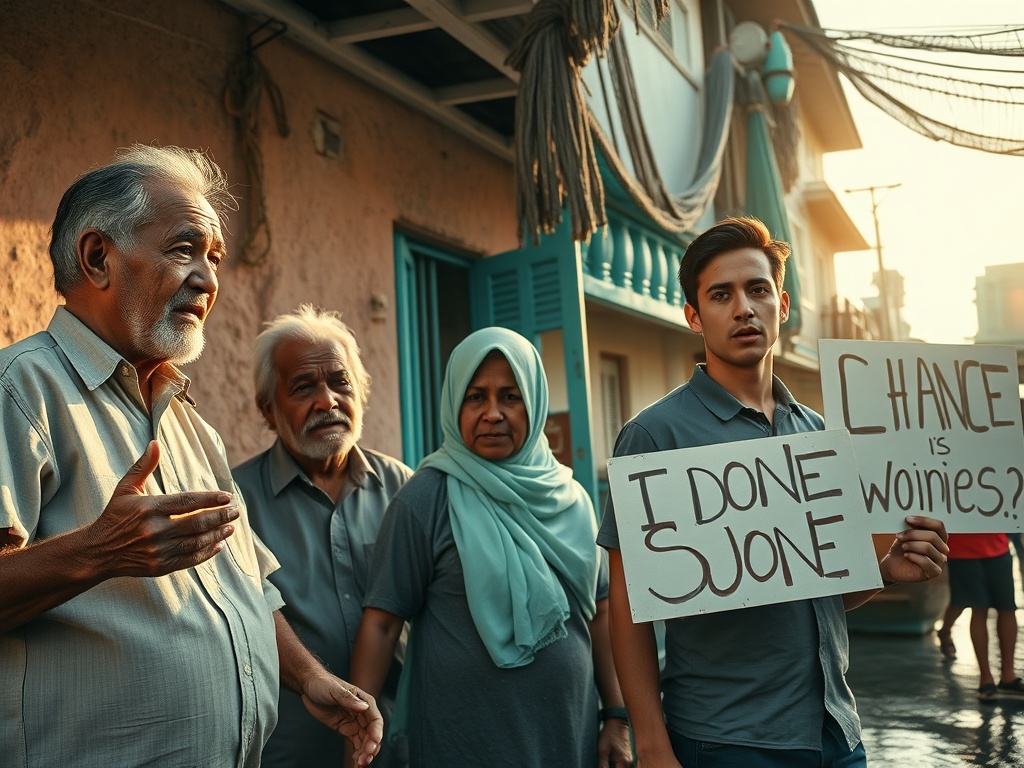
Gratitude for Past Development Meets Demand for Radical Change
Across the Maldives, a quiet tension simmers between competing political narratives—one rooted in historical gratitude for past development, the other demanding radical change from a broken status quo. This generational divide reveals much about how Maldivians conceptualize progress and leadership.
The older generation's perspective holds that the nation's foundation was built through specific leadership that rescued the country from poverty and malnutrition. They recall a time before basic staples were readily available, when survival meant relying on traditional foods like magoo faiy and lha bambukeyo. For them, certain political figures represent salvation from deprivation, and thirty years of governance brought tangible development that transformed daily life. This view carries the weight of lived experience and memory of genuine hardship.
Meanwhile, younger Maldivians voice frustration with what they perceive as a "vile non-viable status quo" maintained by centrist politics and the "false promises" of ultra-right alternatives. They champion politicians who reject conventional strategy, refuse to compromise on core values, and build movements through volunteerism rather than established party machinery. Their support goes to those who combine principled stands with humor and humanism, representing a departure from traditional political conduct.
This generational clash isn't merely about different political preferences—it reflects fundamentally different experiences of the Maldivian state. Where elders remember starvation being eradicated, youth face contemporary crises: a suffocating cost of living, limited opportunities, and governance challenges that affect their daily existence. They admire boldness in calling out "good for nothing politicians" and see themselves as continuing a struggle that previous generations "didn't have the balls" to pursue fully.
Yet within this divide, some common ground emerges. Both perspectives express concern about the political establishment, though they identify different heroes and villains. Both want recognition for their communities—whether it's the "hardworking people of the Maldives who have been neglected by the political elites" or Malé residents who "deserve" inclusion. Both seek leadership that delivers tangible improvements to people's lives.
The challenge for Maldives' political future lies in bridging these narratives—acknowledging genuine historical progress while addressing the urgent contemporary needs that drive younger generations toward more radical change. As the country navigates complex issues from economic pressures to foreign relations, this intergenerational conversation will shape which political visions ultimately prevail.
— Source fragments: Older generation defending past leadership and development achievements; younger generation calling for change and admiring unconventional politicians; discussions of political strategy and values; mentions of generational differences in political participation