Harassment silences young voices asking questions
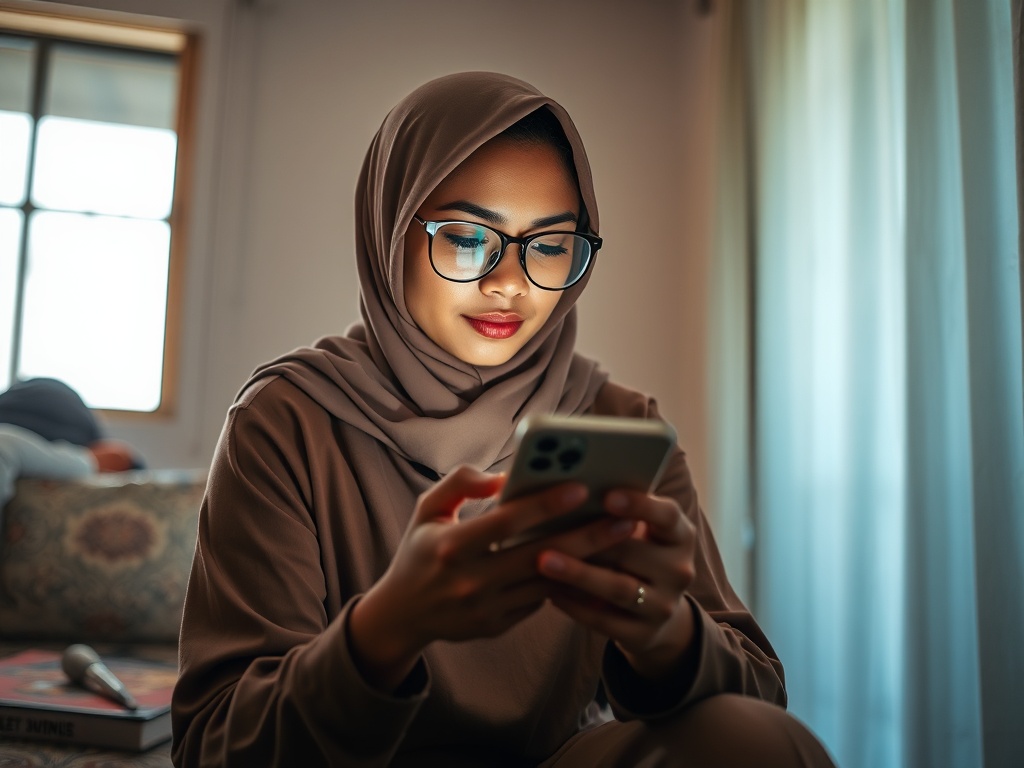
The blue light of a phone screen illuminates a young woman's face in a Malé bedroom, her fingers hesitating over the keyboard. She had simply asked why—why these protests, why this chaos, what purpose they serve. The response wasn't debate but a flood of angry comments, mocking DMs, and shared screenshots with captions calling her naive, anti-national, or worse. In our islands, where everyone knows everyone, this digital shaming carries the weight of real-world consequences—whispers in the corner shop, sidelong glances on the ferry, the quiet judgment that follows you home.
This isn't about political disagreement; it's about the fundamental right to ask questions without fear. Across our scattered islands, from the crowded streets of Malé to the quiet lanes of southern atolls, many young Maldivians watch political dramas unfold with growing unease. We see the protests on social media, hear the heated arguments in coffee shops, and wonder: does speaking our mind mean inviting a storm? The intimidation tactics are familiar—target the young, the curious, those who dare to question the narrative. They rely on our culture's deep respect for social harmony, twisting it into a weapon to enforce silence.
Yet the silence they enforce is deceptive. Behind the curated social media campaigns and organized rallies lies a different reality playing out in living rooms and university dormitories. Parents worry about their children's future in a country where speaking truth to power risks your reputation. Students hesitate to share opinions that might affect scholarship opportunities. Young professionals measure every word, knowing employment can depend on political connections. This self-censorship has become our unwritten social contract.
The truth that matters most isn't which political party commands louder voices, but that the majority of Maldivians simply want to live their lives—to find jobs in an economy where youth unemployment touches 30%, to afford housing in overcrowded Malé, to see their islands develop without constant turmoil. The protests and counter-protests often feel disconnected from these daily struggles, from the fisherman worrying about fuel subsidies or the mother navigating healthcare shortages.
What gives me hope is the quiet resilience I see in the next generation. They may temporarily retreat from public discourse, but their questions don't disappear. They gather in private message groups, have hushed conversations in university corridors, and watch with sharp eyes that miss nothing. The attempt to silence one nineteen-year-old girl has likely made hundreds more curious about what truths might be worth hiding. In the end, no amount of online harassment can permanently suppress the human need to understand, to question, to seek our own path forward—not as political pawns, but as Maldivians building a future where diverse voices can coexist.