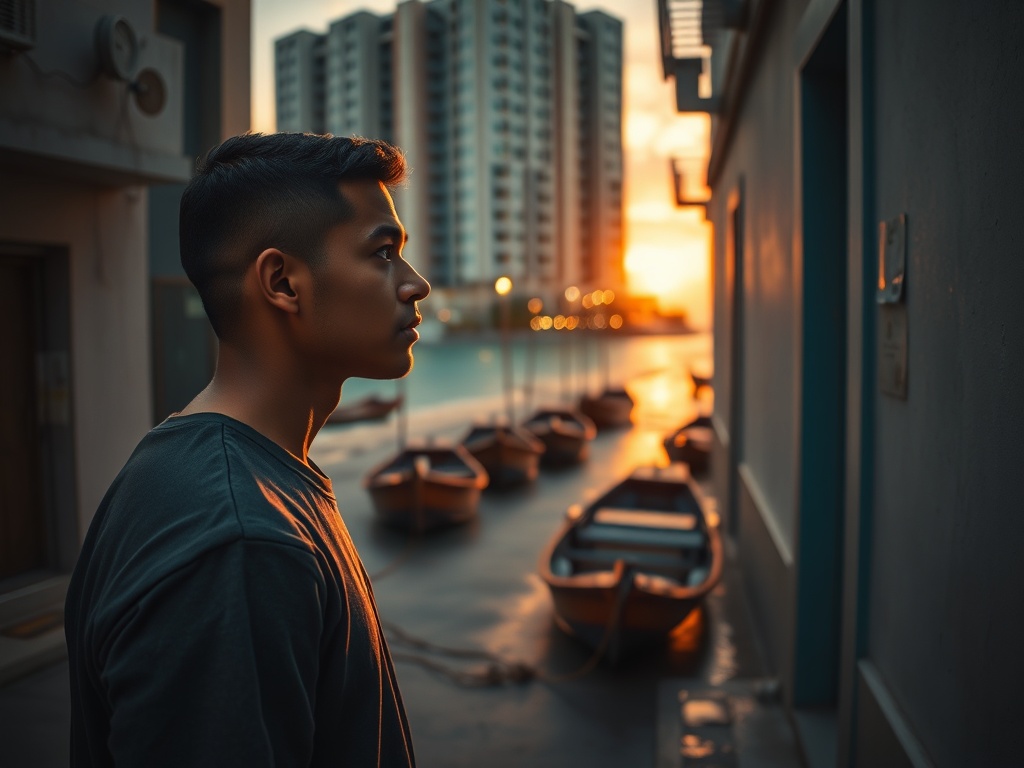
Have Faith, It Will Be Better
Across the Maldives, a familiar refrain echoes through conversations in tea shops and social media feeds: "Have faith, it will be better." This simple declaration carries the weight of generations who have weathered political upheavals, economic storms, and the relentless pressure of modern life. Yet beneath this surface optimism lies a complex relationship with hope itself—a currency that fluctuates with each new development.
The sentiment reflects a national character forged by geography and circumstance. Living on scattered islands in a vast ocean, Maldivians have historically cultivated resilience as a survival mechanism. Today, that resilience faces new tests: rising living costs driven by money printing and taxes, foreign currency shortages despite tourism revenues, and a housing crisis in the congested capital that leaves many without secure shelter.
Younger generations express this tension differently. Their language blends global digital culture with local concerns, creating a unique vernacular of frustration and aspiration. They speak of feeling overlooked in political calculations, of watching opportunities flow elsewhere while they navigate unemployment and limited prospects. The contrast between official narratives and lived experience creates a gap where skepticism grows.
Yet the persistence of hope suggests something deeper at work. It represents not naive optimism but strategic patience—the understanding that circumstances evolve, that political fortunes shift, and that today's challenges may yield to tomorrow's opportunities. This isn't passive waiting but active endurance, a recognition that building better futures requires navigating present difficulties without losing sight of potential.
The relationship between faith and reality remains delicate. When economic pressures mount—when medicine shortages occur, when expatriate remittances drain foreign reserves, when politicized housing allocations leave families without homes—the gap between "it will be better" and "when will it be better" becomes more pronounced. Yet even in frustration, the commitment to eventual improvement persists.
This dynamic hope reflects the Maldivian spirit's core: an understanding that islands may be isolated but people are connected, that difficulties may be immediate but perspectives can be long-term. In maintaining faith amid uncertainty, Maldivians demonstrate that the most valuable currency isn't always measured in rufiyaa or dollars, but in the collective belief that tomorrow holds possibility.
— Source fragments: Dhen... have faith, it will be better.