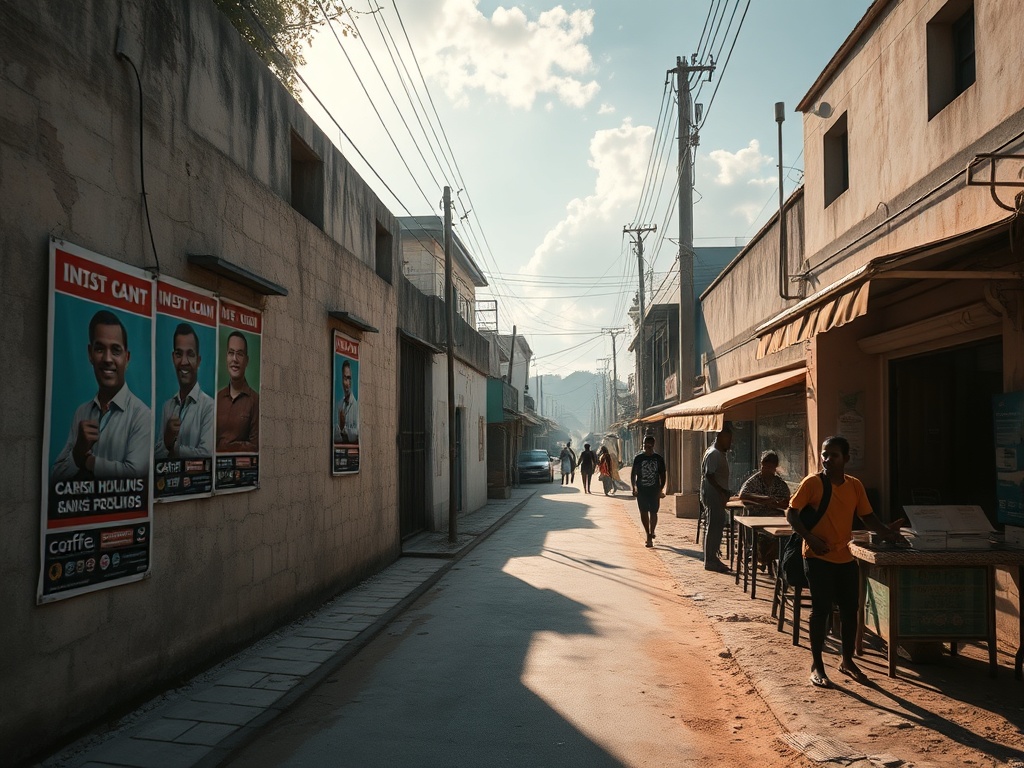
He screamed India Out, sold the idea of sovereignty, and won the presidency.
The echoes of 'India Out' still reverberate through Maldivian political discourse, yet many are now witnessing what appears to be a stark reversal. The very administration that rode to power on anti-India sentiment now engages with the same nation it once demonized. This contradiction has not gone unnoticed by the public, who voice their confusion and disappointment across social platforms.
Yesterday and today, the 'India Out' narrative has taken an unexpected turn as India is being welcomed once again. Even the Defence Minister has described the movement as fabricated propaganda, leaving citizens to wonder what was genuine political conviction and what was mere electoral strategy. The gap between campaign rhetoric and governance reality has never felt wider.
This sentiment connects to broader concerns about political authenticity. People question whether their votes were cast based on genuine policy positions or clever marketing. The sentiment 'Maldives, did you really vote for this?' captures the collective questioning of political accountability and campaign transparency.
Meanwhile, other governance issues compound this disillusionment. From concerns about police expansion and institutional leadership to frustrations about infrastructure and pension policies, there's a growing sense that political narratives don't always align with practical governance. The public watches as campaign slogans give way to practical necessities, leaving many to wonder about the substance behind the soundbites.
The pattern suggests a deeper issue in Maldivian politics – the ease with which positions can shift once electoral victories are secured. This isn't just about foreign policy; it's about the fundamental relationship between political promises and governmental action.
As one voice noted about political loyalty, even those who remain with parties may not necessarily support specific leaders, indicating a more nuanced political landscape than campaign simplifications might suggest. The public seems to be developing a more critical eye toward political messaging versus actual performance.
This moment represents a potential turning point in how Maldivians engage with politics. The disappointment expressed isn't just about one policy reversal; it's about the integrity of the political process itself. When campaign slogans become governance contradictions, it erodes the very trust that democratic systems rely upon.