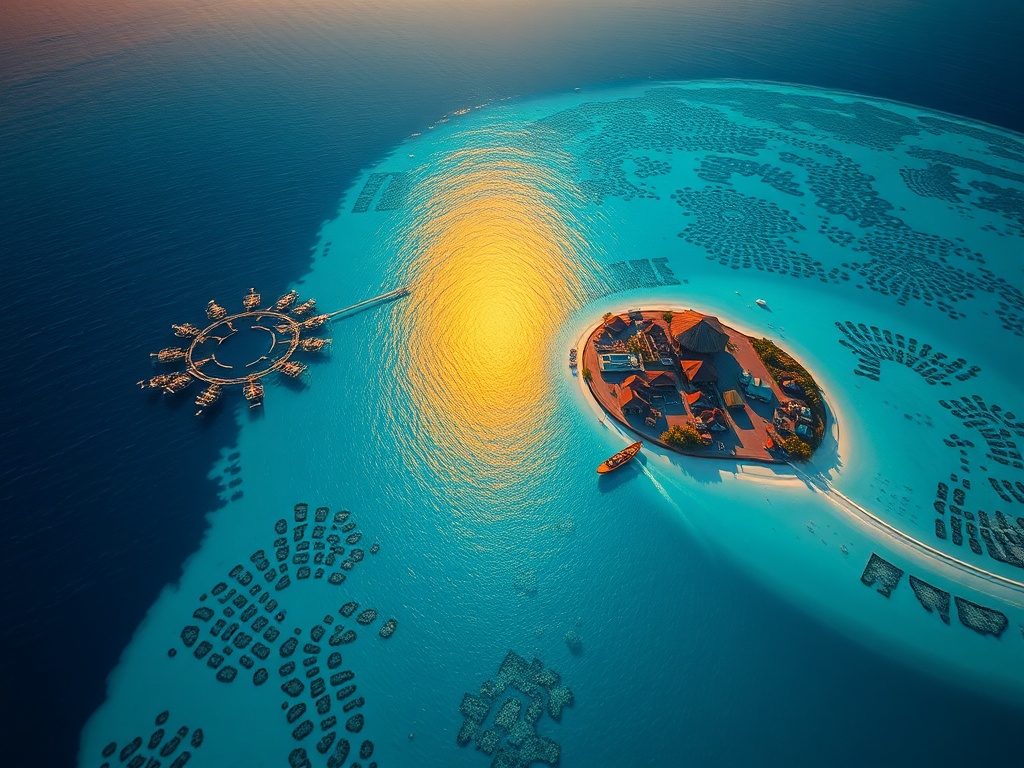
Hidden Foundations: How Public Policy Shapes Your Maldives Getaway
The investor's question hangs in the humid Malé air like the scent of salt and diesel. 'Explain how tourism revenue stems from the public sector,' they ask, and in that query lies the entire story of our islands.
Consider the smoking ban that took effect today—a generational prohibition for those born after 2007. From the private investor's perspective, this might seem like government overreach. But step onto the house reef of any resort at dawn, watch the parrotfish nibble at coral, and you'll understand. The government protects what we cannot replace—the clarity of our waters, the health of our workers, the very brand of 'Maldives' that draws visitors across oceans. Every environmental regulation, every health standard, every infrastructure project that brings tourists from airport to water villa—these are the public foundations upon which private fortunes are built.
The civil servant who processes resort licenses, the coast guard officer who ensures safe sea transport, the health inspector who maintains sanitation standards—they are the invisible architecture supporting the tourism edifice. When pay harmonization brings skilled workers to public service, it's not merely bureaucratic reform; it's strengthening the very ecosystem that makes private investment viable.
Yet tension persists. The investor watches from their overwater villa as political currents shift like the monsoon tides. They see the same faces rotating through power, the same families appearing in different ministries, and wonder about stability. They hear debates about representing atolls versus representing interests, and recognize that in a nation of scattered islands, governance is both bridge and barrier.
The sea teaches us that nothing exists in isolation. The same waters that carry tourist speedboats also bear the fishing dhonis of local communities. The same beaches that host luxury resorts also shelter the children who will inherit these islands. The public sector builds the seawalls against which private enterprise crashes like waves—sometimes destructive, sometimes nourishing, always interdependent.
Perhaps the real question isn't how revenue flows from public to private, but how responsibility flows back. For in these fragile atolls, the distinction between public good and private gain is as fluid as the boundary between ocean and lagoon.
— Source fragments: Private investors in Maldives and explain how revenue generated for Private Sector (Tourism) stems from Public Sector; Maldives has enacted a generational smoking ban; I welcome the pay harmonization. For too long, civil service has been PERCEIVED as a place of inefficiency; 1 MP from each atoll. This is the way we need to move forward; How about we stop representing others and each speak for own self? If you believe that tourism is the safety net while we take risks to diversify our economy