Higher cigarette taxes hurt everyone but the treasury
The math is simple, and it stings like salt in a cut. When the government raised cigarette duties, they promised public health benefits and sustainable revenue. Instead, we got the worst of both worlds: people still smoke, just differently, and the treasury fills its coffers while ordinary Maldivians pay more for less.
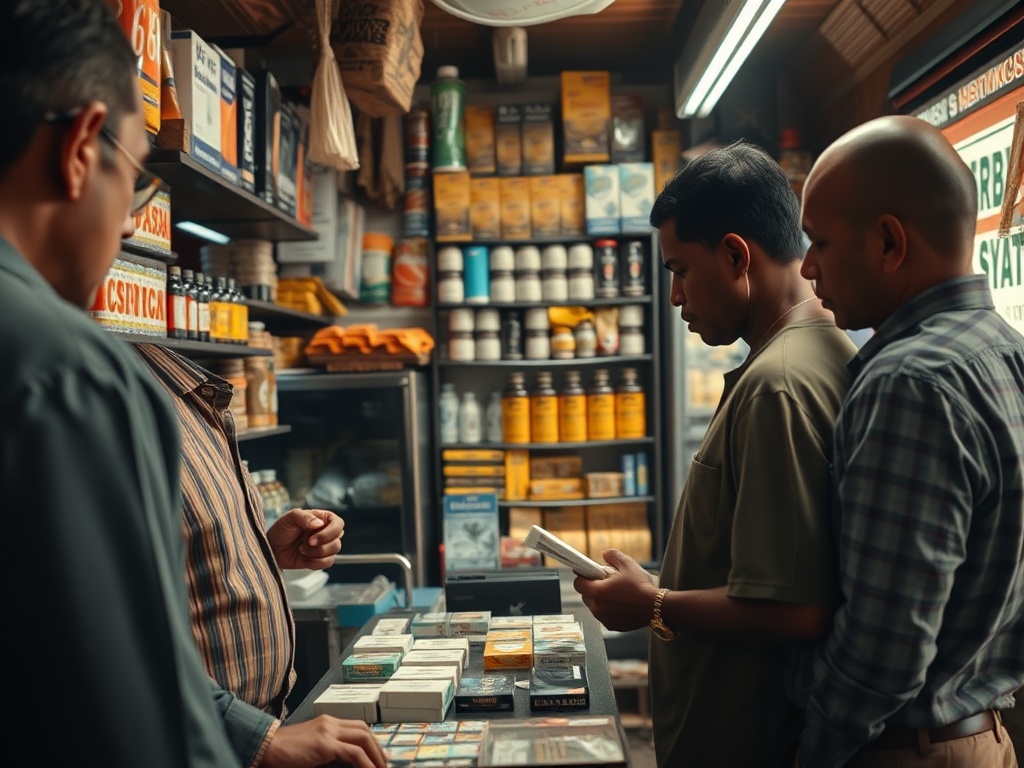
Walk through any local shop in Malé or the atolls, and you'll see the reality. The neatly packaged imported cigarettes behind the counter have become luxury items, their prices inflated beyond what many can comfortably afford. Meanwhile, the underground market thrives. Smuggled tobacco circulates through back channels, and rolling tobacco sales have surged as people seek cheaper alternatives. This isn't health policy—it's economic displacement that pushes smokers toward unregulated, often lower-quality products.
What's particularly telling is the cessation clinic numbers. Only 100 new patients in the same period when tobacco taxes increased significantly? This isn't a statistic; it's a verdict. The clinics, meant to be our pathway out of addiction, remain underutilized and disconnected from the daily realities of smokers across our islands. Perhaps they're located inconveniently, perhaps the approach doesn't resonate, or perhaps people simply don't know they exist amidst the chaos of making ends meet.
This situation reflects a broader pattern in our governance—well-intentioned policies that miss the human element. We see it in housing, healthcare, and now tobacco control. The theory sounds good in committee rooms, but the implementation ignores how people actually live. When someone's struggling with addiction, financial pressure alone rarely leads to quitting—it leads to adaptation, to finding workarounds, to spending the same money on inferior products that still harm their health.
The sea has always taught us that you cannot command the waves—you must understand them. Our approach to public health needs similar wisdom. Rather than simply taxing behavior we wish would disappear, we need comprehensive support that acknowledges addiction's complexity. Better-funded cessation programs that reach every atoll, education that resonates with our cultural context, and economic alternatives that give people real reasons to quit.
As the sun sets over our islands, casting long shadows across the coral stone walls of Malé, the same question lingers in the air like cigarette smoke: when will our policies start serving the people, rather than just the treasury?