Higher cigarette taxes hurt smokers, not smuggling
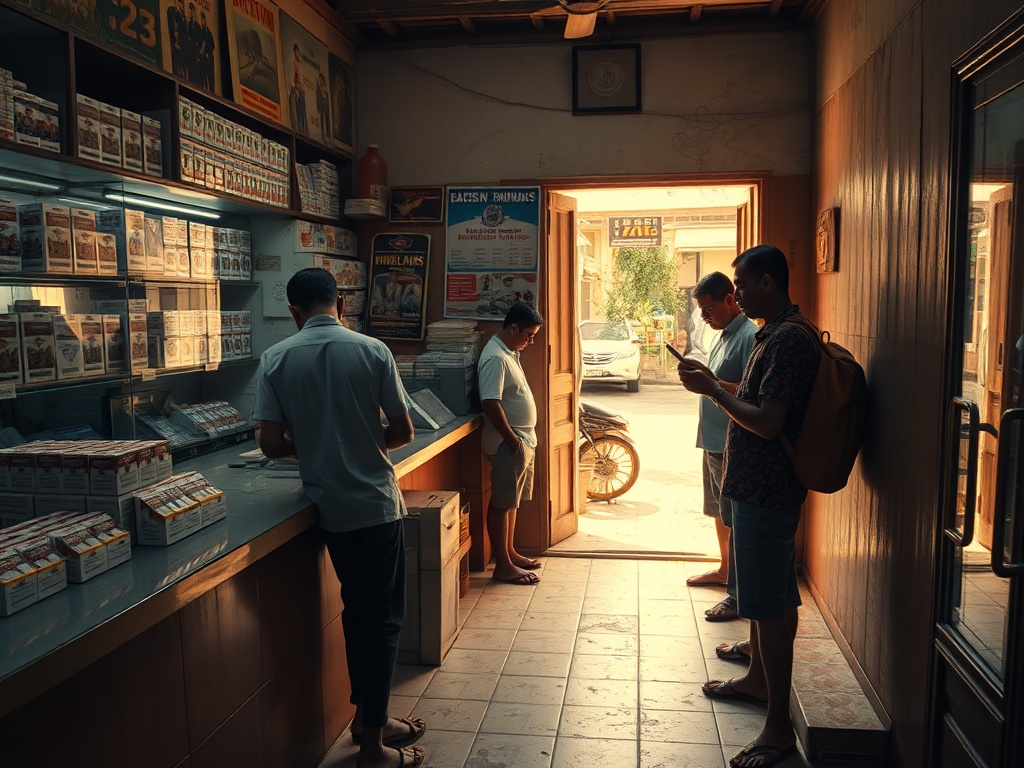
The familiar blue and white cigarette packets behind the counter at our local shops have become noticeably more expensive in recent months. The government's decision to increase duties on tobacco was meant to reduce consumption and generate revenue, but the reality unfolding across our islands tells a different story. Instead of quitting, many smokers have simply shifted to cheaper, often smuggled alternatives or taken up rolling tobacco, spending the same amount of money for inferior products that lack proper regulation or quality control.
This shift reveals a fundamental misunderstanding of addiction economics in our context. When the price of legal cigarettes rises beyond what ordinary Maldivians can comfortably afford, the demand doesn't disappear—it finds other channels. The same fishermen who navigate our waters now sometimes bring back contraband tobacco alongside their catch, while small shops in narrow Malé alleys quietly sell unregulated products to regular customers. The government may be collecting more tax from the reduced legal imports, but this comes at the cost of pushing smokers toward potentially more harmful alternatives.
The most telling statistic comes from the cessation clinic, which registered only 100 new patients during this period. This minimal uptake suggests the public health approach isn't resonating with those who need it most. In a society where smoking is deeply embedded in social rituals—from the late-night conversations at coffee shops to the breaks between ferry journeys—simply making cigarettes more expensive doesn't address the underlying reasons people smoke. The clinics remain underutilized not because the need isn't there, but because the approach fails to connect with our realities.
What's particularly concerning is how this policy disproportionately affects those with limited means. The fisherman who smokes to endure long hours at sea, the construction worker taking a break in the heat, the young office worker stressed by Malé's cramped living conditions—they're now spending more for less, or turning to products of unknown origin and quality. This creates a double burden: financial strain coupled with potentially greater health risks from unregulated tobacco.
In our islands, where healthcare resources are already stretched thin and many seek treatment abroad for even routine conditions, the long-term consequences of this policy misstep could be significant. Rather than improving public health, we may be creating new problems while the original ones persist. The solution requires understanding that addiction isn't just about price—it's about habit, stress relief, and social patterns that need addressing through education, accessible support, and realistic alternatives that fit our way of life.
Perhaps what's needed is a more nuanced approach that combines reasonable pricing with genuinely accessible cessation services and public awareness campaigns that speak to Maldivians in our language, through our channels. Until then, the smoke will continue to rise across our islands, just from different sources, while the underlying issues remain unaddressed.