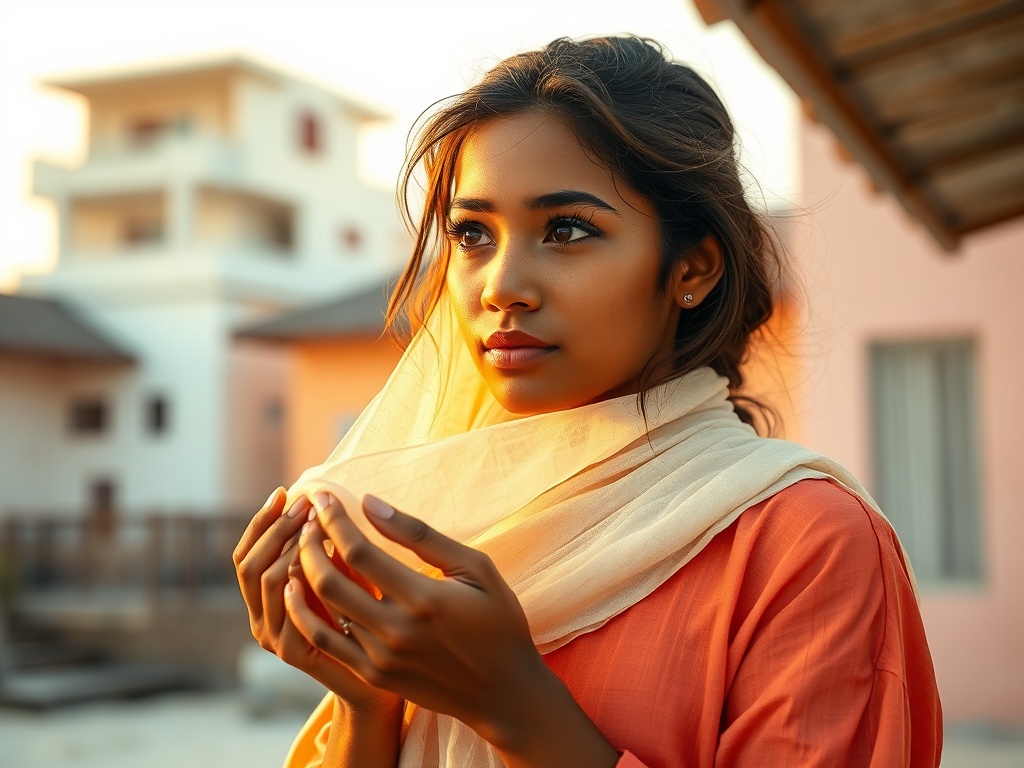
Hijab in the Maldives: Divine Command Meets Modern Choice
In the Maldives, where society is 100% Muslim, a recurring debate unfolds. It begins with a clear premise: "Allah says to observe hijab." For many, this is not open to debate—it is a divine directive, an anchor in shifting tides.
Yet the response is swift: "That means it's a choice." This modern counterpoint champions personal logic over traditional scholarship. Labels like "extremist" fly, exposing a core conflict: Is belief defined by submission to God, or by personal freedom within faith?
This tension is palpable in Maldivian life, where global ideas meet deep-rooted religious identity. One voice reframes the issue: "It is the freedom of women to wear hijab if they want. Ultimately they will be answerable to Allah and not us men." This shifts focus from communal enforcement to individual accountability.
The discussion turns to scripture. "Is there a punishment for not wearing hijab, clearly stated?" asks a participant, seeking Quranic or Hadith proof. Another offers a pragmatic note: "But sometimes we just have to let people be, because sometimes it's more peaceful that way." This acknowledges that coercion can fracture community.
Beneath it all lies a question of authority. When scholars are said to have "no disagreement," it challenges personal reinterpretation. Yet the modern impulse asks: "Then why should I wear a skirt?"—a metaphor for blind adherence. The dialogue reveals a nation navigating command and choice, the immutable and the mutable, in a world where ancient faith meets modern reality.
— Source fragments: Allah says to observe hijab; Shahyr says, that means it's a choice & there's no need to resort to The Scholars but rather use logic; I disagree with the 2nd paragraph. It should state: 'Shahyr says Islam recognises freedom of choice. It is the freedom of women to wear hijab if they want. Ultimately they will be answerable to Allah and not us men.'; Hey is there a punishment for not wearing hijab, clearly stated in islam according to islamic shariah?; But sometimes we just have to let ppl because sometimes it's more peaceful that way.