Holding back the tide with a sandbag
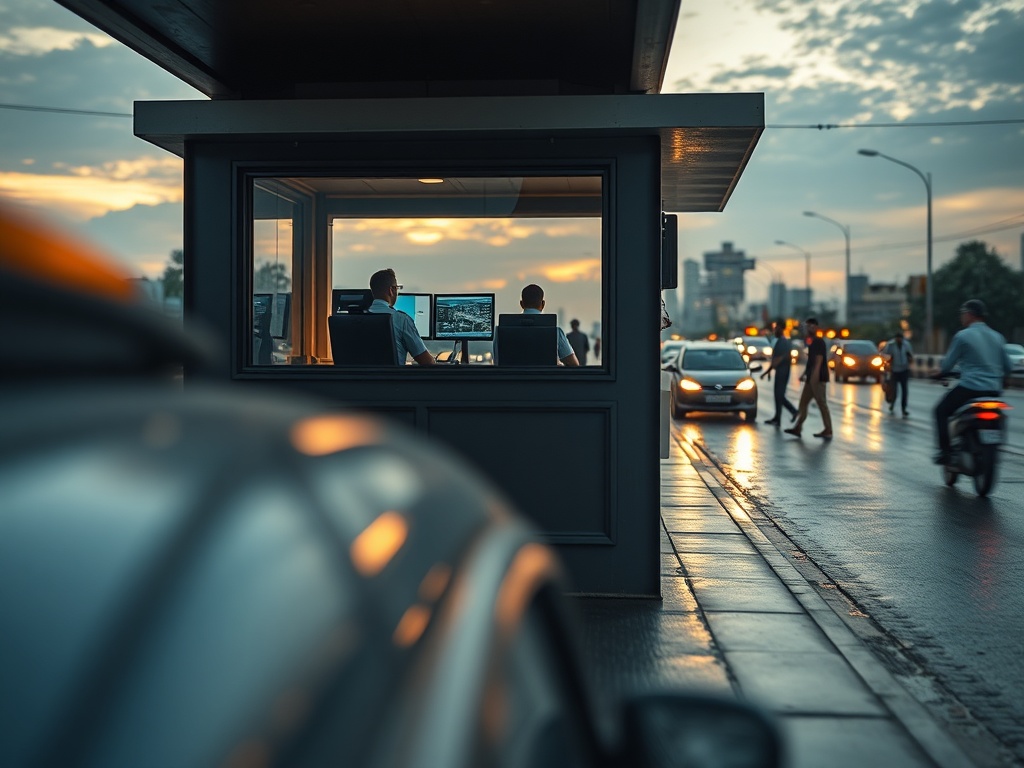
I was walking home past the police post on the bridge, the one near the intersection. Three officers were inside, heads bowed, typing away at their screens. Their focus was absolute, a small island of bureaucratic order in the swirling chaos of Malé's evening traffic. It struck me then, this image of concentrated effort against an overwhelming tide of noise and motion. It’s a feeling we know well here.
We are constantly building little walls, trying to manage the unmanageable. Pegging a currency in a distorted market, as one voice said, is like holding back the tide with a sandbag. You can pile up the policies, appoint another relative to a ministry, print more money to keep the illusion afloat, but the pressure keeps building. The sea doesn't care about your plans. It just is. We feel that pressure in the cost of a bag of onions, in the queue for a doctor's appointment that never seems to come, in the quiet despair of a youth with a degree and no future.
And yet, we type away on our own bridges. We perform our duties, we attend our seminars on Islamic leadership, we argue about who has the right to legislate a plate of food. There's a dry, almost ironic comfort in these rituals. They are our sandbags. We know they won't stop the water, but the act of placing them gives us a purpose, a momentary sense of control. We are a people accustomed to the ocean's whims; we understand that some forces are simply too vast to command.
So we adapt. We find a different current. We float. Maybe that’s the only rational play left—not a grand policy shift, but a personal one. A quiet decision to stop fighting the current and instead learn to sail with it. To find a way, as we always have, to navigate the churn between the world as it is and the world as we wish it could be. The tide will come in regardless. Our small defiance is in still being here, typing, waiting, and finding a way to smile through the salt spray.