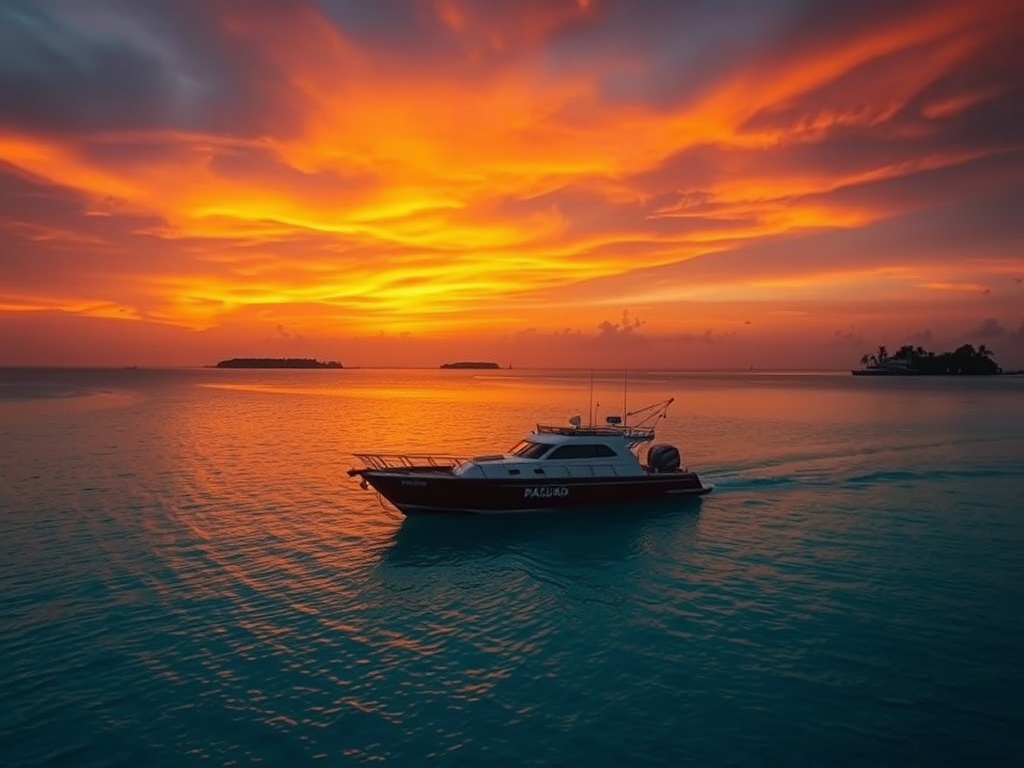
How a Small Nation Buys Security in Turquoise Waters
The conversation about defense spending in a small island nation often circles back to the same fundamental question: how do we maintain our sovereignty without appearing threatening to our neighbors? The comparison to Singapore surfaces repeatedly—another small nation that chose to invest heavily in military capability despite its size. Their approach wasn't born from aggression but from what some might call strategic paranoia, a recognition that sovereignty requires the capacity to defend it.
Here in the Maldives, where the ocean connects us to the world but also defines our vulnerabilities, the discussion takes on particular urgency. The turquoise waters that draw tourists also represent strategic channels where geopolitical currents flow. When we talk about military investment, we're not speaking of confrontation but of posture—the subtle language nations use to communicate their boundaries and resolve.
There's a memory that surfaces in these conversations, a historical moment when foreign forces overstayed their welcome and were eventually asked to leave. That moment lives in our collective consciousness as both caution and precedent. It reminds us that sovereignty isn't given but maintained through consistent demonstration of capability and will.
The rehabilitation of defense facilities becomes more than infrastructure projects—they're physical manifestations of national resolve. The training of responsible personnel, the careful maintenance of equipment, the strategic positioning of resources—these are the quiet, daily affirmations of our commitment to self-determination.
Yet the conversation always returns to balance. How much is enough? When does preparedness become provocation? The answer lies somewhere in understanding that defense isn't about the expectation of conflict but about the preservation of peace. Like the Swiss model often referenced, where widespread gun ownership coexists with social order, the goal is responsible capability rather than militarization.
In these island chains where the horizon meets the sea in every direction, sovereignty feels both fragile and precious. The investments we make in defense are ultimately investments in our ability to sit at any negotiating table as equals, to determine our own future without external pressure, and to ensure that the Maldivian voice remains distinctly our own in regional conversations that will shape our waters for generations to come.
— Source fragments: Singapore military spending comparison, sovereignty concerns, defense as negotiating position, historical precedent of asking foreign forces to leave, defense facility rehabilitation, responsible arms ownership models