How Much Is a Nation's Sovereignty Worth?
In the intricate calculus of international relations, small nations face a perpetual dilemma: how much is sovereignty worth? The ongoing discussion around Maldives' defense investments reveals a complex web of strategic thinking that goes far beyond mere military hardware.
The Singapore comparison frequently surfaces in these debates. Like Maldives, Singapore is a small nation-state, yet it maintains one of Asia's most sophisticated military forces relative to its size. This isn't about preparing for all-out war, proponents argue, but about maintaining strategic autonomy. The underlying philosophy recognizes that sovereignty isn't just a political concept—it's a bargaining position. When nations sit at negotiation tables, military capability becomes part of the equation, whether explicitly acknowledged or not.
Recent government initiatives to rehabilitate MNDF and police facilities reflect this strategic shift. The investments aren't merely about weapons acquisition but about building institutional capacity. As one perspective suggests, this approach mirrors the Swiss model—where responsible ownership and training create deterrence without descending into chaos. The key lies in developing professional forces capable of maintaining security without external dependence.
Historical context matters here. The 1988 coup attempt, where Indian forces assisted in stabilizing the situation, remains a reference point. While foreign assistance proved crucial then, the contemporary view emphasizes developing indigenous capacity to handle such crises. This isn't about confrontation but about self-reliance—being able to secure one's own territory without needing external intervention.
Yet counterarguments point to nations like Iceland, which maintains zero military spending while ranking among the world's safest countries. The Iceland model suggests that diplomatic positioning, international alliances, and geographic isolation can provide security without massive defense budgets. In a nation grappling with economic challenges—high living costs, foreign currency shortages, and youth unemployment—every rufiyaa spent on defense must justify its opportunity cost.
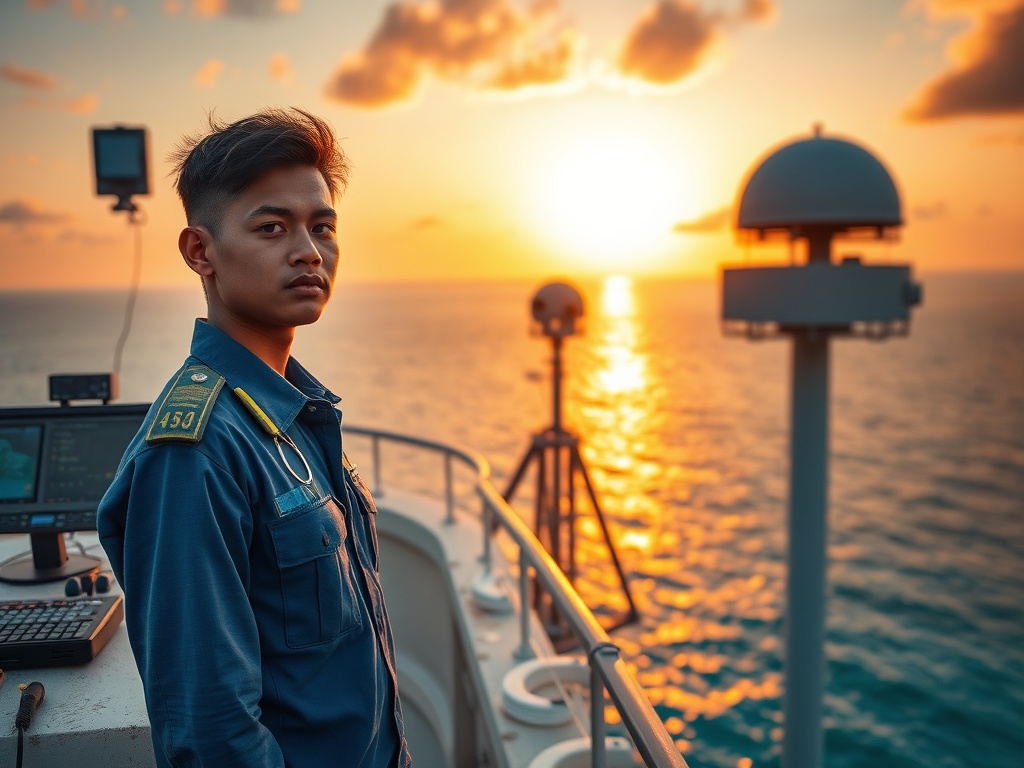
The emerging consensus suggests a middle path. Surveillance drones and coastal monitoring systems address real security needs without escalating regional tensions. They represent practical investments in maritime domain awareness—crucial for a nation whose territory is 99% ocean. Meanwhile, the debate continues about where to draw the line between necessary defense capability and excessive militarization.
What emerges clearly is that sovereignty in the 21st century requires nuanced strategy. It's not about matching larger nations weapon for weapon but about developing capabilities that preserve autonomy while maintaining regional stability. As Maldives navigates these complex waters, the conversation reflects a nation maturing in its strategic thinking—understanding that true security comes from multiple pillars: economic stability, diplomatic engagement, and just enough defensive capability to ensure that when negotiations happen, they happen between equals.
— Source fragments: Singapore military spending comparison, sovereignty arguments, historical reference to 1988 events, MNDF facility rehabilitation, Swiss gun ownership model, Iceland zero military budget counterpoint, drone and surveillance discussion