Human Rights Commission Clarifies Annual Report Focuses on Performance Not Investigations
The Human Rights Commission of the Maldives (HRCM) has clarified that its annual reports are designed to assess institutional performance and regulatory compliance rather than serve as investigative documents. This statement follows the release of the Commission's latest annual report on the 30th of last month.
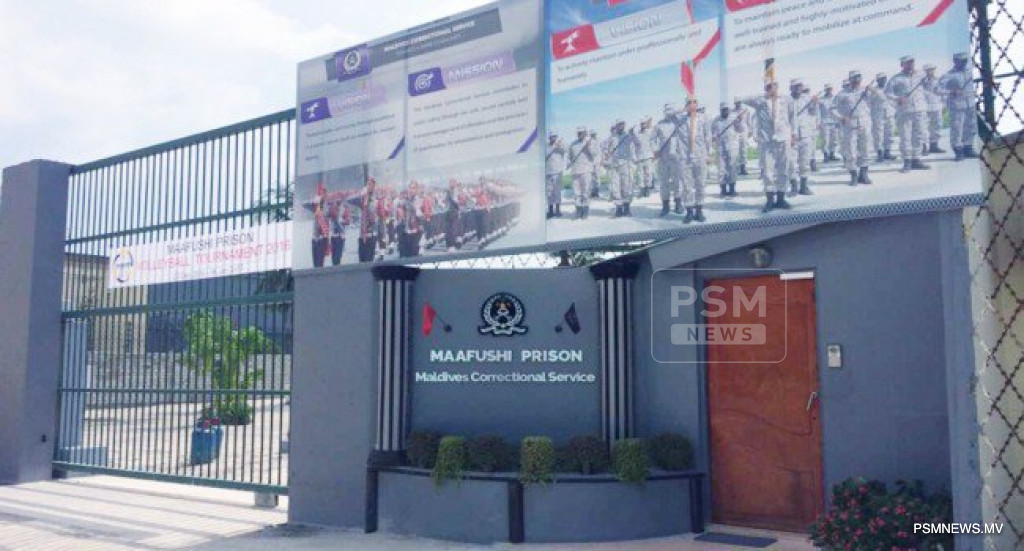
A central component of the HRCM's mandate is the National Preventive Mechanism. This body is tasked with visiting facilities where individuals, including children, are deprived of their liberty under state custody. The primary goal is to evaluate the conditions of these facilities and ensure that law enforcement and state officials treat detainees in accordance with national laws and international human rights standards.
According to the Commission, these visits are critical for identifying risks of cruel, inhuman, or degrading treatment. By observing the treatment of detainees firsthand, the HRCM can pinpoint systemic failures and advocate for the protection of fundamental rights within the state's correctional and detention systems.
Ameera Naeem, Director General of the National Preventive Mechanism, emphasized that the reports generated from these visits are not intended for judicial or investigative purposes. She explained that the mandate focuses on understanding the living conditions of those in state custody and compiling findings to drive institutional improvement.
“Our mandate is to understand the conditions of places where people are held under state custody in a manner that restricts their liberty, and to compile reports based on those findings,” Naeem told PSM News. “These reports include recommendations for relevant authorities to bring about improvements.”
Beyond facility inspections, the HRCM is empowered to gather evidence through interviews and observations to facilitate the reintegration of detainees into society. The Commission continues to collaborate with the Maldivian Parliament (the Majlis), the government, and various stakeholders to implement necessary reforms and raise public awareness regarding human rights protections.