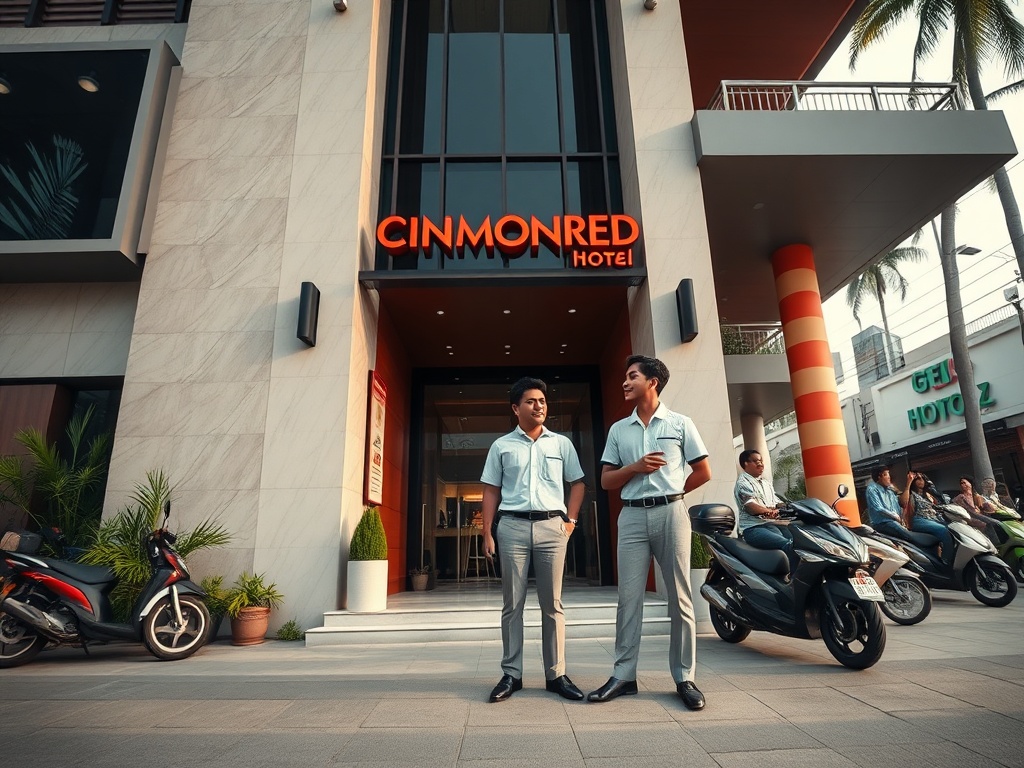
I felt the same way when I checked into Cinnamon Red.
Walking into a hotel in Malé today feels different than it did a few years ago. The casual ease of checking in has been replaced by procedures that make you pause. When staff mention that certain measures were 'implemented after the bombings,' it’s not just a policy explanation—it’s a reminder of how deeply security fears have seeped into daily life. Why does a simple hotel stay now come with this invisible weight?
The answer lies in the delicate balance Malé must strike between being an open, welcoming capital and a secure one. Security upgrades at hotels, increased surveillance in public spaces, and more visible police presence are all responses to real threats. But what is the cost of this vigilance? For residents and visitors alike, the atmosphere can shift from vibrant to vigilant in an instant. Does living in a city that feels like a fortress undermine the very community spirit that makes Malé unique?
This tension is especially palpable in a city already grappling with its identity. Malé is one of the most densely populated places on Earth, where 'walkable' streets are often cramped and green spaces are precious oases. When security measures layer over existing urban challenges, the city can start to feel less like a home and more like a compound. How do we preserve the warmth of Maldivian hospitality when the default mode is caution?
The broader question is whether these security steps address the root causes of instability or merely its symptoms. Investing in safety is essential, but if it isn’t paired with efforts to tackle corruption, improve governance, and foster social trust, are we just building higher walls? For a nation whose economy relies heavily on tourism and whose social fabric depends on connection, finding answers isn’t optional—it’s urgent.
Every time a guest notices a new rule or a checkpoint, it’s a small signal of a larger story. That story is about a capital in transition, striving to protect its people without losing its soul. The real test will be whether Malé can evolve into a city that is both safe and sincerely inviting—a place where security doesn’t come at the expense of community.