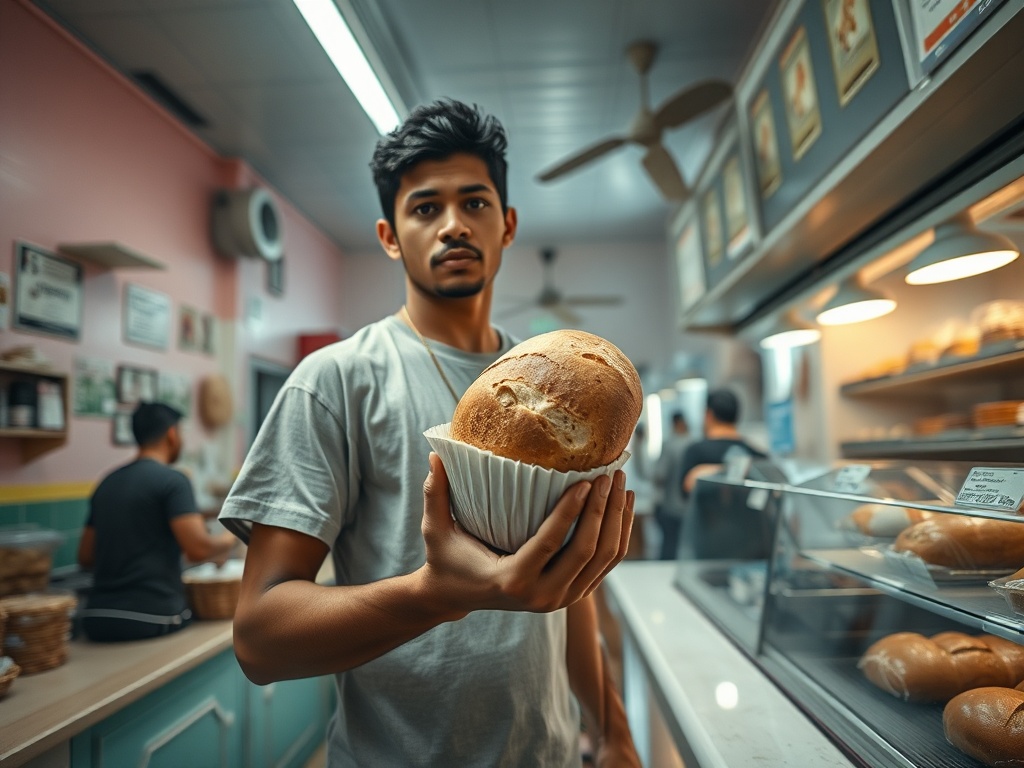
If the bread at Fantasy is moldy don't crash out at the Cashier
You're standing in line at Fantasy Bakery, the air thick with the smell of fresh bread that isn't actually fresh. You've been here before—the disappointment when you unwrap your purchase to find green fuzz where there should be golden crust. Your instinct is to confront the cashier, the visible face of this daily betrayal. But why does this keep happening across Malé's bakeries and supermarkets?
The mold on your bread isn't just bad luck—it's the visible symptom of a broken import system. When foreign currency reserves dwindle and shipping gets delayed in bureaucratic red tape, perishable goods sit in containers while officials debate paperwork. The bread arrives already aging, the vegetables wilting, the milk nearing expiration. Who pays the price? Not the importers with political connections, but the family trying to buy breakfast.
Consider what happens when you 'crash out' at the cashier. That minimum-wage worker didn't order the moldy shipment, didn't clear it through customs, didn't set the storage temperatures. They're just the final link in a chain of failures that begins with economic policies favoring political allies over public welfare. Your anger is valid, but is it properly directed?
This isn't just about bread—it's about the normalization of substandard goods in a country dependent on imports. When basic food safety becomes a luxury, what does that say about our governance? The same system that allows moldy bread also permits medicine shortages in pharmacies and construction materials that fail safety standards. The pattern repeats because accountability flows upward, not downward.
Tourists at luxury resorts enjoy imported artisanal bread while locals make do with compromised staples. This divide reflects the broader economic reality: tourism dollars often bypass the local economy, stored in offshore accounts while the population struggles with inflated prices for inferior products. The mold on your bread mirrors the decay in systems meant to protect consumers.
What would real change look like? Not shouting at underpaid staff, but demanding transparent supply chains and independent food safety inspections. Not accepting 'this is how things are' but questioning why a nation surrounded by ocean imports most of its food. The solution requires addressing the root causes: import monopolies, currency shortages, and regulatory capture.
Next time you see mold on bread, remember it's not an isolated incident. It's economic policy made visible, governance failure made tangible. The question isn't whether to get angry, but where to direct that anger for actual change.