In
In the cramped lanes of Malé and the scattered islands across atolls, a quiet desperation echoes through conversations about housing. The question "Is this affordable living?" hangs unanswered, revealing a systemic failure that transcends political administrations and geographic boundaries.
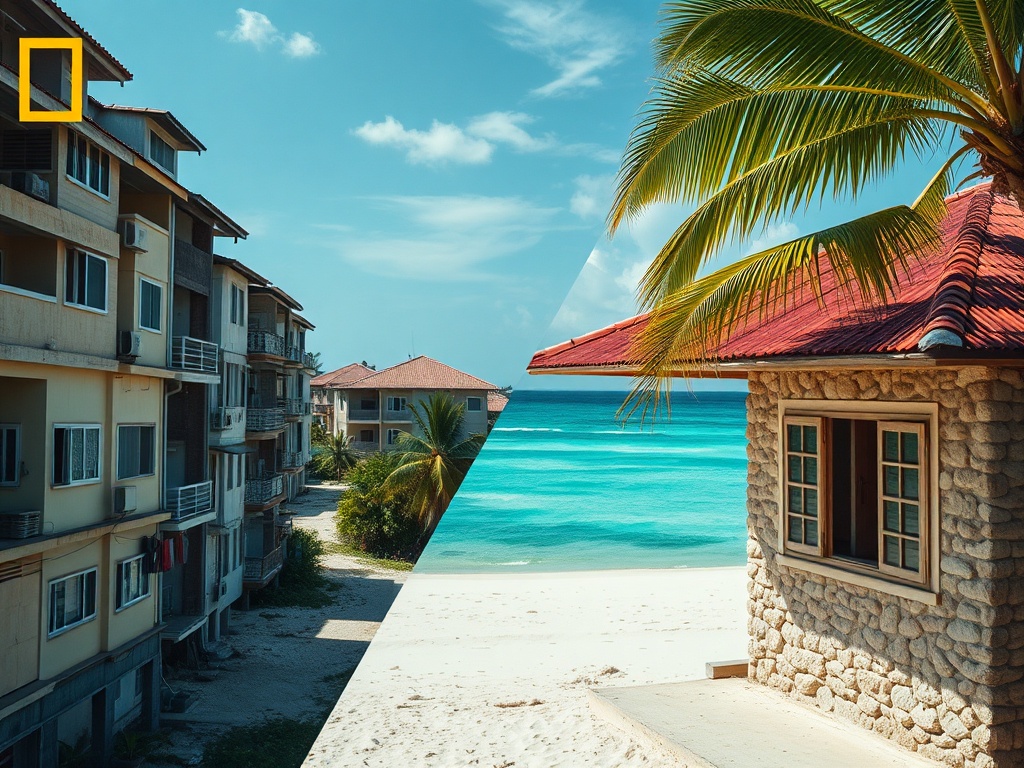
The stark contrast between Regional Tourism (RT) housing schemes and Malé-area developments highlights the geographic inequality baked into our national housing policy. While outer island residents describe living conditions as "hell" in places like Thulhaadhoo, urban dwellers face a different kind of torment—financial servitude to a rental system that consumes lifetime incomes.
Current approaches like the Binveriya scheme and Rasmalé project represent massive government expenditure without addressing the core problem: the need for genuinely livable, affordable flats. Critics argue these resources are fundamentally misdirected, creating political trophies rather than sustainable solutions. The money flows, the concrete rises, but the fundamental equation remains unchanged for ordinary citizens.
What emerges instead is a system where government subsidies effectively support private rental businesses rather than creating permanent housing security. This creates a dependency cycle where generations of Maldivians spend their entire working lives paying rent, never accumulating equity, never building intergenerational wealth.
The political dimension adds another layer of complexity. With three-quarters of Parliament members representing outer atolls, their collective silence on this issue speaks volumes about the systemic nature of the problem. The housing crisis affects their constituents directly, yet the political will to fundamentally restructure the system remains absent.
The human cost is measured in lifetimes. Families watch their income evaporate into rental payments year after year, decade after decade. Young couples postpone marriage and children, not by choice but by financial necessity. Elderly residents face retirement with no property to show for a lifetime of work.
Unless there's a fundamental shift in approach—away from politically expedient projects and toward genuinely affordable, quality housing—future generations will inherit the same cycle of dependency. The solution isn't more of the same subsidized schemes, but a reimagining of what housing security means for Maldivians across all atolls.
The clock is ticking on this generational challenge. Without decisive action, we risk condemning another generation to the same financial servitude that has characterized housing in the Maldives for decades.
— Source fragments: Housing affordability questions, RT vs Malé area housing comparisons, criticism of Binveriya and Rasmalé schemes, generational rental dependency, geographic inequality in housing conditions