In Malé's Crowded Lanes, a New Tax on Empty Plots
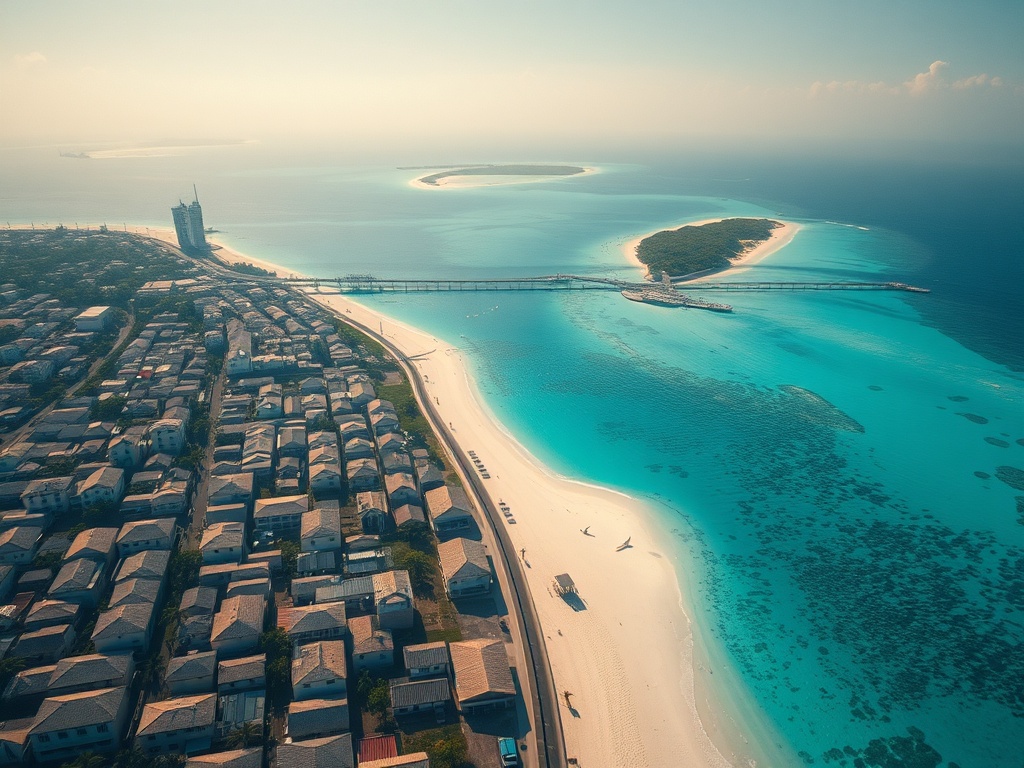
In the crowded lanes of Malé, where space is measured in square feet and dreams in square meters, a quiet revolution in economic thinking is taking shape. The concept of land value taxation, once confined to academic circles, is now entering public discourse as Maldivians confront the stark realities of urban congestion and housing inequality.
The proposal centers on a simple but transformative idea: taxing land values rather than just transactions, with higher rates for urban centers like Malé where infrastructure investments have created disproportionate value. Unlike the flat-rate GST that affects all consumers equally, this approach would recognize that not all land is created equal—and not all landowners contribute equally to the public services that make their property valuable.
For residents trapped in Malé's housing crisis, the appeal is immediate. As one observer noted, when people don't have to travel to the capital just to access basic financial services, it reveals how infrastructure distribution could be more equitable. The current system concentrates opportunity in the capital while outer islands struggle with basic amenities.
The economic rationale is compelling. Land value taxes are difficult to evade—unlike income or corporate taxes that can be shifted offshore. They encourage efficient land use in crowded urban areas and generate revenue from underutilized properties. In a nation where prime real estate often sits idle for speculation while families cram into substandard housing, this represents a fundamental shift in thinking.
Critics worry about implementation challenges and potential impacts on small landowners. Yet proponents argue that well-designed exemptions could protect vulnerable groups while ensuring that those benefiting most from public investments—particularly in urban centers with developed infrastructure—contribute their fair share.
The conversation reflects a broader recognition that traditional tax structures may not adequately address Maldives' unique geographical and economic challenges. As the nation balances development needs with fiscal sustainability, land value taxation offers a framework for more equitable growth—one that could help bridge the gap between Malé's concentrated prosperity and the scattered opportunities across the archipelago.
What emerges is not just a technical debate about tax policy, but a fundamental question about what kind of development Maldives wants—and who should bear the costs of building it.
— Source fragments: Land value tax discussion, GST comparison, urban-rural infrastructure access, policy implementation challenges