India is not a trusted ally
When Indian helicopters land on our atolls, the sound echoes through more than just the palm trees—it echoes through our collective consciousness as a people who have never been colonized. We remember our history: 2,500 years of continuous nationhood, of managing our own affairs without foreign troops stationed on our soil. Yet today, we watch as foreign military personnel operate radar systems and control airport facilities on islands that have always been ours.
This isn't about hating India. Many of us have studied there, received medical treatment in Chennai or Delhi, and appreciate the educational opportunities. But gratitude for hospital beds shouldn't mean surrendering sovereignty. When our current government formally requested the withdrawal of Indian military forces, it wasn't political theater—it was responding to what people feel in the fish markets of Malé, in the ferry terminals of Addu, in the tea shops of Huvadhoo.
The military presence represents something deeper than just soldiers on the ground. It represents a fundamental shift in how we relate to the world. For generations, we've navigated our own course—between Arab traders, European powers, and regional giants—always maintaining our independence. Now we face the uncomfortable reality that foreign troops have permanent bases on our territory, and this sits uneasily with people who take pride in our unbroken sovereignty.
Young Maldivians especially feel this tension. With unemployment hovering around 25-30%, they watch as their future seems constrained not just by economic challenges but by geopolitical realities they didn't choose. The military presence becomes a symbol of larger concerns—about who controls our destiny, who benefits from our resources, and whether we're truly masters of our own house.
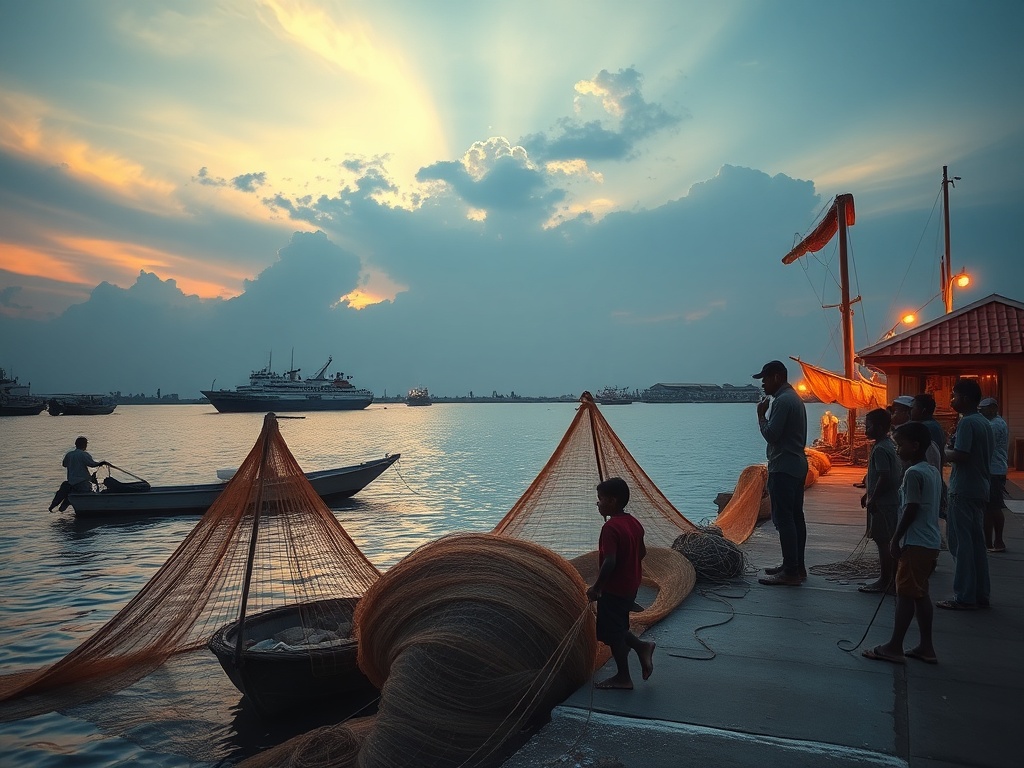
This isn't abstract political debate for us. It's personal. It's the fisherman who sees foreign vessels where he once fished freely. It's the family in their crowded Malé apartment wondering if their children will have the same independence they enjoyed. It's the collective memory of a people who have always determined their own path now watching others plant flags on their soil.
We're not naive about the world. We understand strategic partnerships and regional dynamics. But trust must be earned through mutual respect, not through military installations. When we look at China's infrastructure cooperation or other partnerships, we see possibilities for cooperation without occupation, for development without domination.
Perhaps what we seek is simple: the right to be who we've always been—a sovereign people making our own choices, free from the shadow of foreign troops on our islands. That's not too much to ask for a nation that has maintained its independence for millennia.