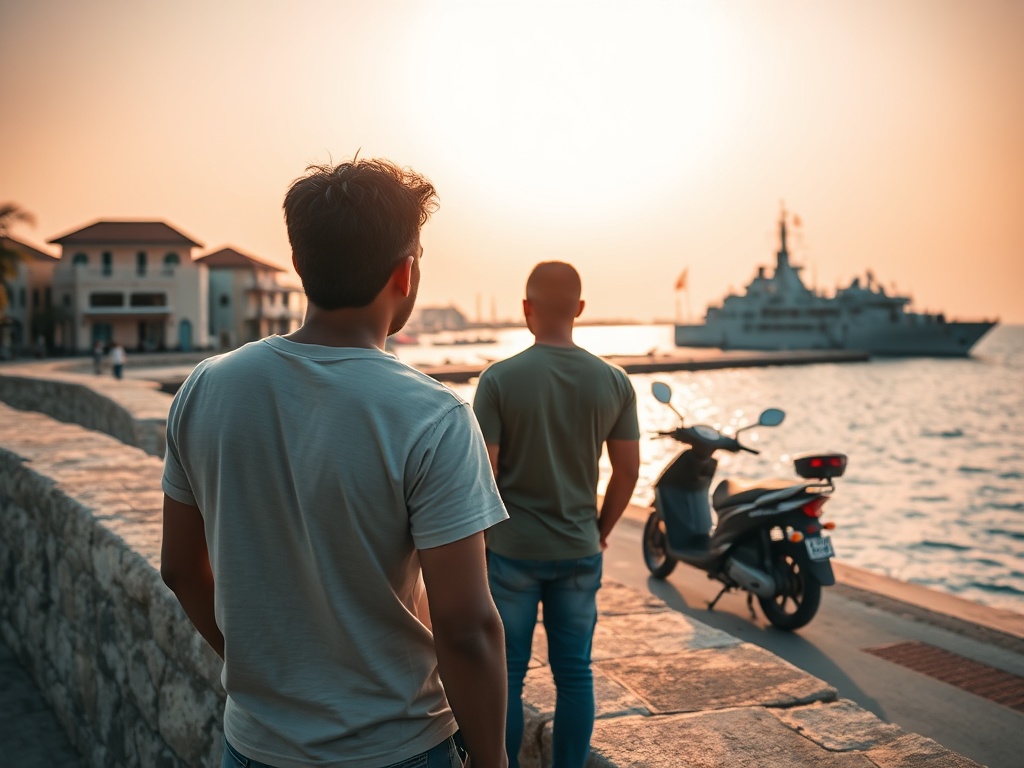
India’s interest in the Maldives, particularly in military matters.
When a neighbor shows keen interest in your backyard, especially in matters of defense, it’s natural to ask: whose security is truly being served? For Maldivians, the sight of foreign military assets on our soil isn’t just a geopolitical talking point—it’s a daily reality that stirs deep unease. Are we strengthening our own defenses, or merely becoming a pawn in someone else’s strategic game?
The 'India Out' campaign didn’t emerge from thin air. It grew from a grassroots sense that our sovereignty was being quietly eroded, treaty by treaty, agreement by agreement. Many citizens feel that these arrangements, often negotiated behind closed doors, prioritize foreign interests over local needs. When you see advanced surveillance systems or naval patrols coordinated from abroad, it’s hard not to wonder who really controls the waters around our islands.
This isn’t just about flags and rhetoric. The economic implications are profound. Military cooperation often comes with strings attached—loans, infrastructure projects, and political leverage that can shape domestic policy. We’ve seen how debt can become a tool of influence, and with our national debt already soaring, the stakes couldn’t be higher. Are we trading short-term gains for long-term dependency?
Yet, the government argues that such partnerships are essential for national security. They point to emerging threats in the Indian Ocean and the need for capable allies. But this raises another question: security from whom? If the primary beneficiary of these arrangements is the foreign power, then our own security may be secondary. The real danger isn’t always from outside; sometimes, it’s from within—from policies that compromise our autonomy bit by bit.
Look at our history. Maldivians have always valued their independence, navigating complex regional dynamics while preserving our cultural and political identity. Today, that identity feels at risk. When foreign military interests align with certain political factions domestically, it creates internal divisions that weaken us from within. The very fabric of our society—rooted in Islam and community—can be strained by external alignments that don’t reflect local values.
What’s the solution? First, transparency. Every agreement with foreign powers should be openly debated in the People’s Majlis and scrutinized by the public. Second, diversification. Relying too heavily on any one partner makes us vulnerable. We should build relationships based on mutual respect, not dependency. Finally, we must invest in our own capabilities—training local forces, developing indigenous surveillance, and fostering regional cooperation that doesn’t compromise our sovereignty.
The conversation about foreign military interest isn’t just about strategy; it’s about survival. It’s about ensuring that the Maldives remains for Maldivians, governed by Maldivians, in the interest of Maldivians. As we watch global powers jockey for position in our waters, we must ask ourselves: are we shaping our destiny, or is it being shaped for us?