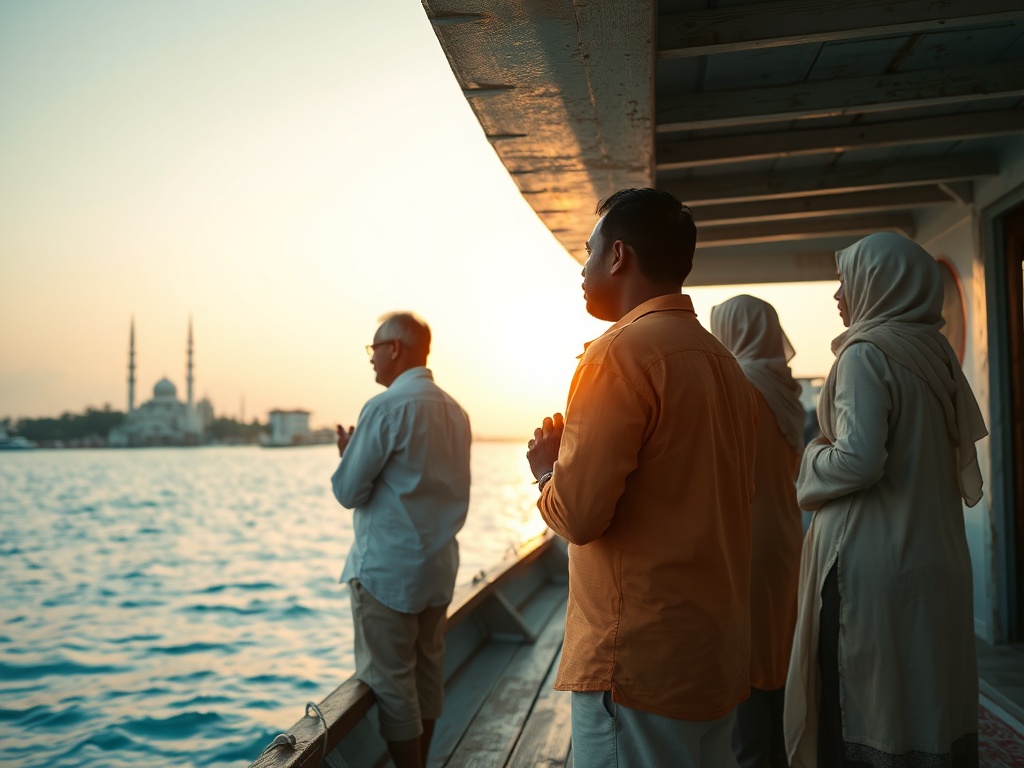
Islamic Principles as Moral Compass: Maldivians Navigate Modern Challenges
In the Maldives, faith permeates daily life as citizens increasingly embrace Islamic principles as divine wisdom guiding both personal conduct and national policy. Many view Sharia as inherently just—requiring evidence for accusations and consequences for false accusers—creating what adherents describe as a balanced framework for social harmony.
This commitment extends to daily spiritual practice, where gratitude serves as both religious duty and practical wisdom. Maldivians see divine purpose in all circumstances, shaping how communities approach economic pressures and social changes.
At the core lies a generational concern: preserving religious identity in a rapidly changing world. Parents express determination to raise children within conservative Islamic traditions, viewing this as religious obligation and cultural preservation. This sometimes manifests as resistance to external influences.
Amid significant socio-economic challenges—youth unemployment, housing shortages, healthcare limitations—many citizens see their Islamic foundation as the solution. Principles of justice, gratitude, and community provide the moral compass to navigate contemporary issues.
The nation stands at a crossroads where religious conviction meets practical governance. While political leadership changes, commitment to Islamic identity remains constant for many, who see it as essential for addressing both spiritual and material needs. The question isn't whether the Maldives will remain Islamic—that seems assured—but how this identity will shape responses to modernity's complex challenges.
— Source fragments: Praise for Sharia justice system, emphasis on gratitude and divine blessings, desire to raise conservative children, commitment to Islamic nationhood