Islamic University of Maldives to Build 11 Atoll Campuses Within Two Years
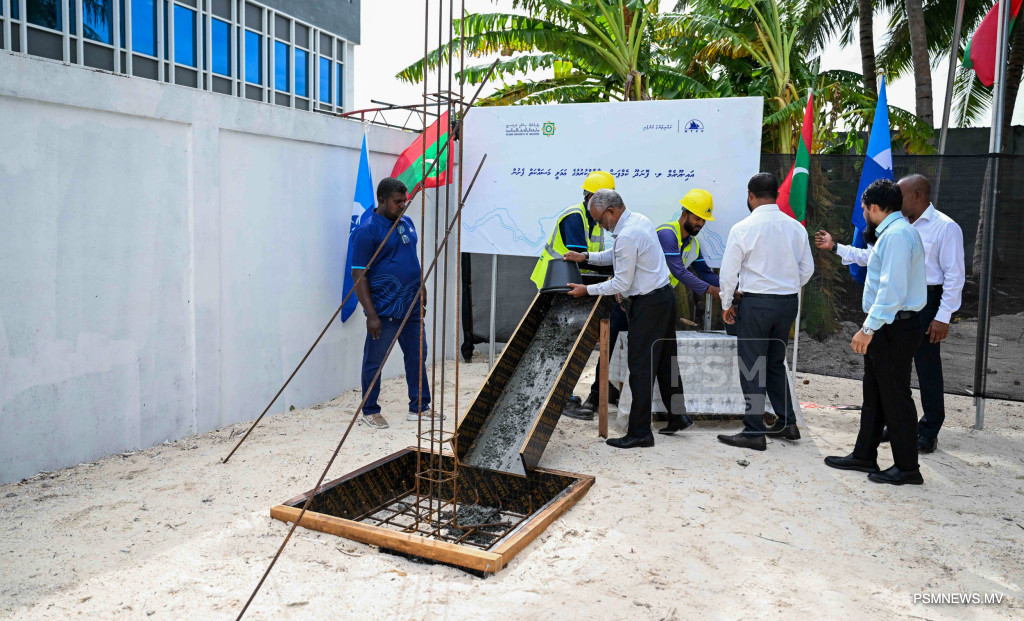
The Islamic University of Maldives (IUM) has officially commenced site mobilization and concrete works to establish 11 new campuses across the archipelago. This nationwide expansion aims to bridge the gap in regional access to higher education, with the university targeting completion within 18 months to two years.
In an interview with PSM News, Deputy Vice Chancellor Ahmed Ameen confirmed that construction contracts for 10 of the planned campuses have already been awarded. While six temporary campuses are currently operational, they require significant upgrades to meet educational standards. The project faced initial delays due to land registration and plot specification issues, but land allocation is expected to resume this week.
Rather than prioritizing architectural scale, the university is focusing on functional necessity. The planned facilities will include essential classrooms, libraries, administrative offices, and seminar rooms, alongside critical residential infrastructure such as student dormitories and staff accommodation.
The expansion will span several key regions, with campuses slated for Funadhoo in Shaviyani Atoll, Manadhoo in Noonu Atoll, Naifaru and Hinnavaru in Lhaviyani Atoll, Veymandoo in Thaa Atoll, Maradhoo-Feydhoo in Addu City, Fonadhoo in Laamu Atoll, Nilandhoo in Faafu Atoll, Maamigili and Mahibadhoo in Alif Dhaalu Atoll, and Villingili in Gaafu Alif Atoll.
This initiative is part of a broader government strategy to decentralize higher education and reduce the necessity for students to relocate to the capital. President Mohamed Muizzu has previously signaled the importance of this shift by laying foundation stones for both IUM and Maldives National University (MNU) facilities during regional visits.
Once completed, these campuses are expected to democratize access to degree programs, allowing students in remote atolls to pursue higher learning within their own communities, thereby strengthening the human capital of the islands.