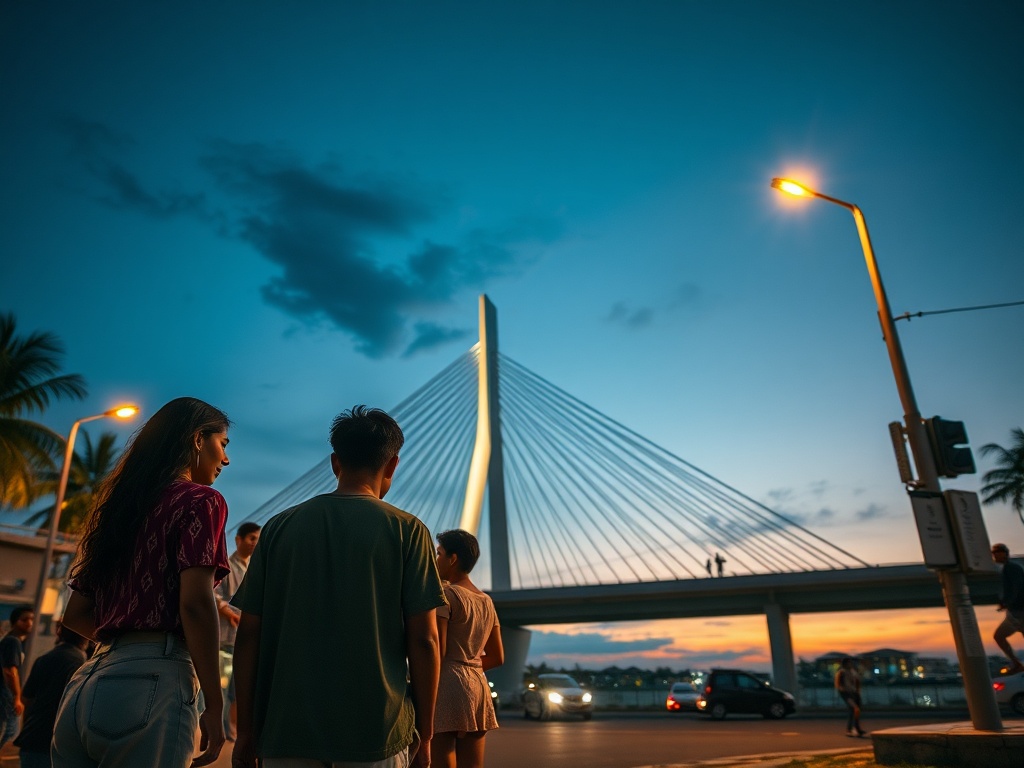
It is upto the younger peoples to push reform no?
The conversation swirling around Maldivian development is a tapestry woven with threads of foreign investment and domestic frustration. On one hand, we have the tangible results: the Sinamalé Bridge stretching across the water, the expanded Velana Airport, funded by Chinese BRI loans. On the other, a new Indian credit line for infrastructure and defense. These physical structures are the undeniable legacies of international partnerships, yet the public discourse is less about the concrete and steel and more about the state of the nation's soul.
A palpable sense of political exhaustion permeates the dialogue. One voice cuts through, stating plainly that the older members don't want reform 'unless they don't have any other option,' linking this inertia directly to a party's ruined reputation. This sentiment of a system in the toilet creates a vacuum, a space where cynicism about motives flourishes. Whispers of 'propaganda campaigns' and questions about 'conveniently destroyed' documents suggest a deep-seated distrust in the narratives surrounding these grand projects and the hands that build them.
Into this void steps the call to the youth. The central, resonant question emerges: 'then it is upto the younger peoples to push reform no?' This isn't just a suggestion; it's framed as a necessary paradox. The very act of reform requires joining a system that many seem to have lost faith in, a system where one must 'stop being so worried about reputation, and be more concerned about doing the right thing.' This highlights the core struggle for a new generation: how to engage with and cleanse a political environment that is viewed with such suspicion. The foreign-funded bridges and airports are the backdrop, but the real construction project, as voiced by the people, is the rebuilding of political integrity and purpose from within.