It’s 2025 and we’re disabling Face ID over tweets
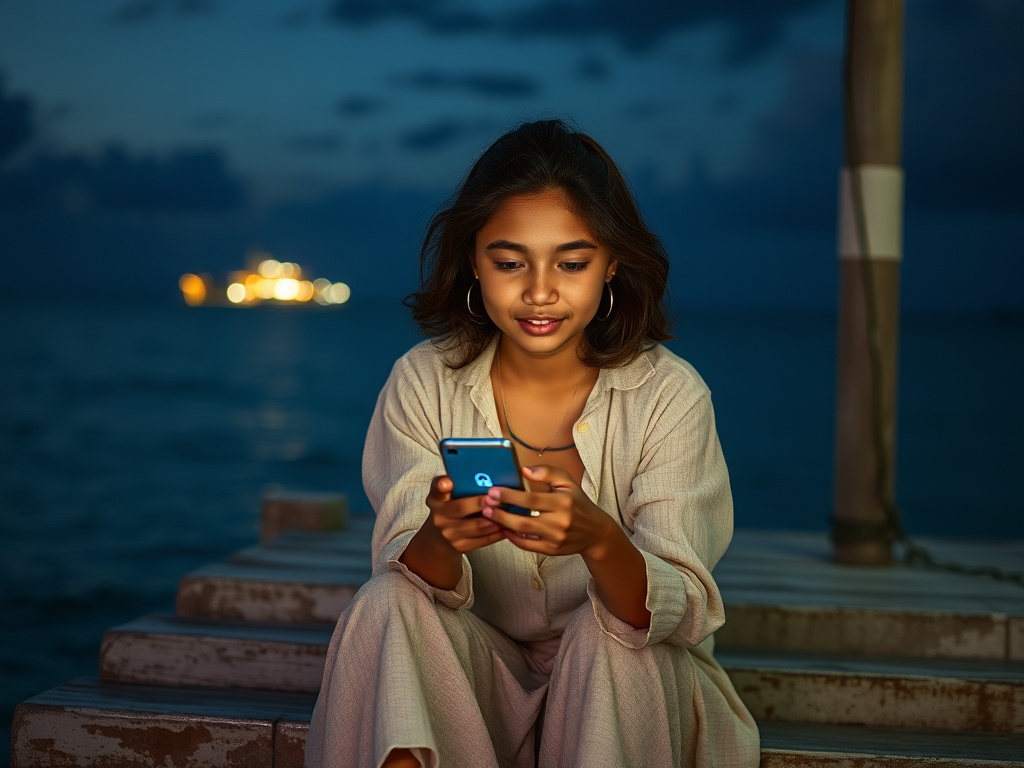
I was sitting on the steps near the harbor last evening, watching the police boat glide past. The sunset was a soft orange, the kind that usually makes you forget the heat of the day. But my thumb was scrolling, scrolling through the news, and I saw it again—another person’s phone taken, another tweet that crossed some invisible line. I looked down at my own phone and, without really thinking, went into settings and turned off Face ID. It felt ridiculous, like something from a movie, but here we are. In the Maldives, in 2025, we’re locking down our own devices because of what we might say online.
It’s not just the phones, though. It’s the way we talk now, in lowered voices on the ferry, glancing over our shoulders. We hear about ‘bold visions’ and ‘developed nations by 2040,’ but then we see the LRADs at protests, the restrictions on gathering, the old football boss going to jail for fraud while others in power seem untouched. There’s a disconnect that hangs in the air, thicker than the humidity. We’re told we’re building a future, but it feels like we’re dismantling the present, piece by piece.
And yet, life goes on. The fish still come to the market, the tea shops are full of chatter, and kids play football on the sand. We adapt, because what else can we do? We make dark jokes about ‘Maldives 2.0’ and shake our heads at the headlines. There’s a strange kind of resilience in these small acts—disabling a feature, sharing a wary smile, remembering a time when things felt lighter. Maybe that’s how we keep our balance, by finding the irony in the struggle, by refusing to let the pressure steal our sense of who we are. We’re still here, still breathing the salt air, still hoping, in our own quiet way, for calmer seas.