Judge's Bias Against Defense Bar Exposes Maldives' Judicial Crisis
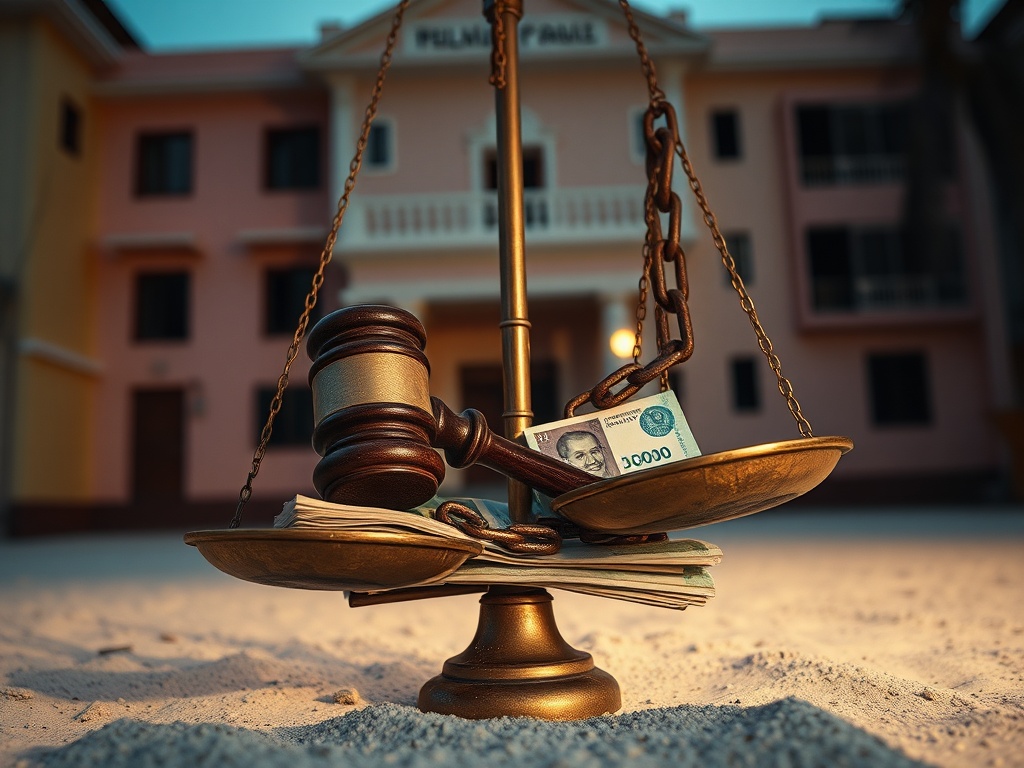
Justice in the Maldives faces a profound stress test. The judiciary, once a societal pillar, is now seen as a tool of political convenience, with scales tipped by obedience and influence, not evidence and law. This systemic erosion is evident in courtrooms and public discourse.
At the crisis's core is the politicization of judicial appointments. Government control over the Judicial Service Commission means control over judges, reshaping the judiciary for political allegiance, not impartiality. This flaw compromises every decision, casting judges as arbiters of political will, not guardians of the law.
This environment fosters institutional prejudice, starkly visible in the treatment of the criminal defense bar. A judge recently cited a High Court judgment to justify bias against defense attorneys, branding them prone to witness intimidation. This vilifies an entire profession. The Bar Association's silence amid this smearing reveals a climate of fear. When the body meant to protect its members fails to act, the defense becomes an enemy of the court's narrative.
Courtroom power imbalances are clear. The prosecution wields state resources and coercive power, while the defense is depicted as obstructionists. This prejudice undermines 'innocent until proven guilty' and fair trial rights. How many have been condemned by judicial prejudice, not evidence?
Judicial decay permeates law enforcement. Police prioritize moral policing over executing court orders, especially in sensitive cases involving minors and family pressure. High-profile cases, like the Safari rape case, are clouded by allegations of edited evidence, witness coercion, and the influence of wealth and power. Public focus shifts from guilt or innocence to system manipulation.
The result is a legitimacy crisis. Boycotts of legal events and bar elections, along with protests against indefinite pre-trial detention, signal a trust rupture. The justice system is not malfunctioning; for many, it functions as designed—to protect the powerful, punish dissent, and maintain order through control, not justice. Restoring faith requires confronting this reality, starting with depoliticizing the judiciary and recommitting to evidence-based justice.
— Source fragments: User voices highlighted: control of JSC leading to political obedience in judiciary; vilification of criminal defense bar by a judge; Bar Association silence; police prioritizing moral policing over court orders; public distrust in high-profile case handling (Safari case, edited audio); protests against pre-trial detention (#EndVaanuvaa); boycott of legal institutions; perception of witness intimidation by powerful actors; imbalance of power favoring prosecution.