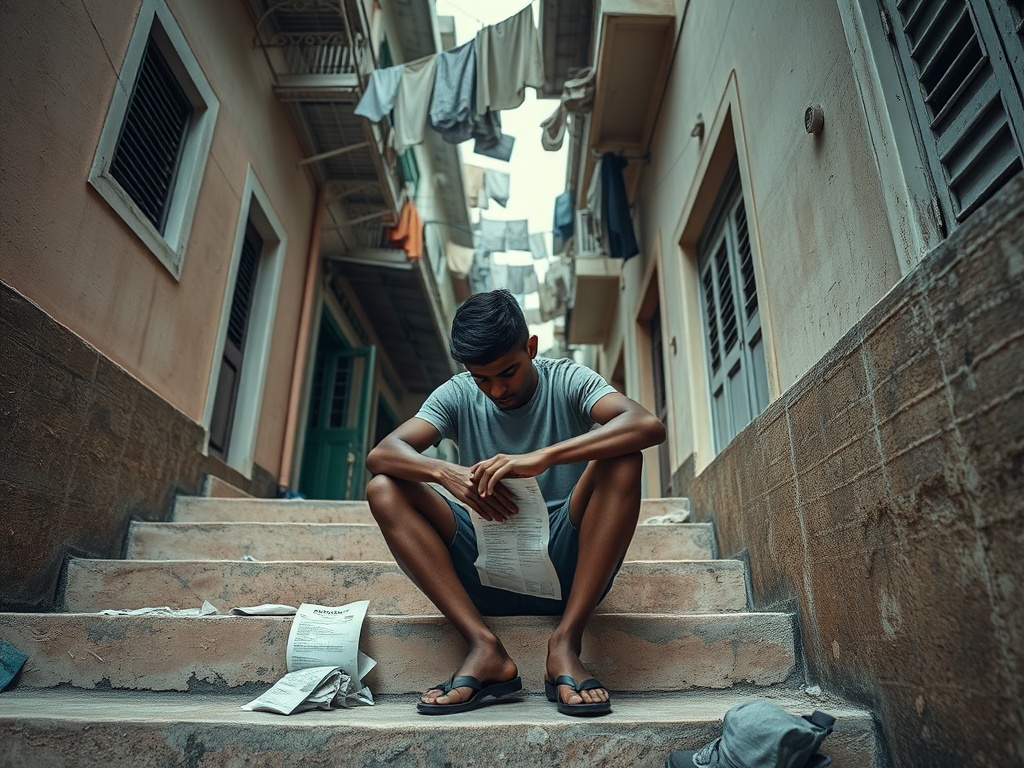
kae bappa kairyga buney bill pay kohdheyshey
The phrase 'kae bappa kairyga buney bill pay kohdheyshey'—roughly translating to 'Dad is going to pay the electricity bill, right?'—has become a darkly humorous refrain among Maldivians grappling with soaring expenses. It captures a collective exasperation, a generational plea for relief as daily costs outpace incomes. This isn't just about a single utility bill; it's a symptom of a deeper economic malaise.
Government money printing to fund expenditures has devalued the rufiyaa, pushing prices for imported essentials—from rice to fuel—to painful heights. With the nation heavily reliant on imports, foreign currency shortages exacerbate the strain, making basic goods a luxury for many families. The burden falls hardest on the young, who face unemployment and underemployment, unable to secure stable futures despite their education.
Compounding the crisis, tourism revenues—the lifeblood of the economy—often bypass the national coffers as resort owners park profits overseas. Meanwhile, remittances sent home by expatriate workers drain precious forex reserves, creating a vicious cycle of scarcity. The government's response, including rising taxes, feels like adding fuel to the fire for households already stretched thin.
Housing in Malé is another pressure point, with overcrowding and politicized allocation leaving many without affordable homes. Stories of subsidized flats being subleased for profit by absentee leaseholders only deepen public cynicism. In healthcare, medicine shortages and Aasandha insurance abuses mean that even wellbeing is commodified, forcing many to seek treatment abroad at great cost.
This economic suffocation is not just numbers on a page; it's the reality of parents skipping meals to cover school fees, youth turning to drugs out of despair, and families questioning how much longer they can endure. The sarcasm in 'Dad will pay the bill' masks a genuine fear—that the social contract is fraying, and the safety nets are vanishing.