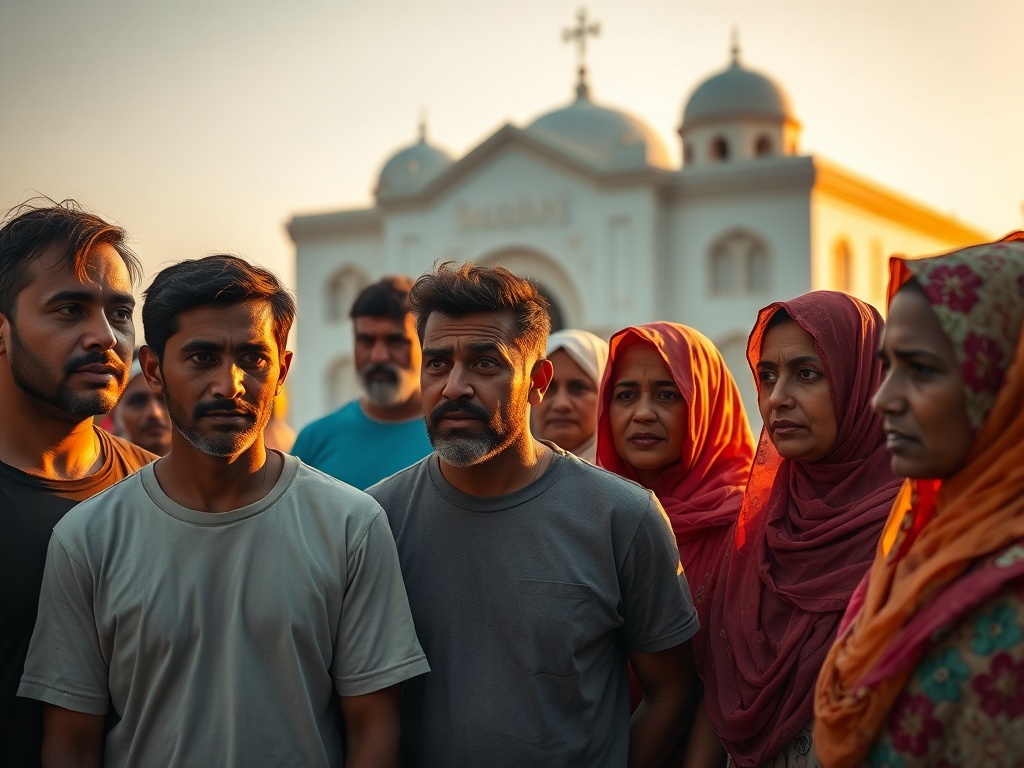
Kaleymenves thiyaee hama sahthain sahtha muslimunge therey himeney meehun dhoa?
The pointed question echoing across Maldivian social circles cuts to the heart of our national identity crisis: 'How can we trust that this government truly embodies Islamic principles in its governance?' This isn't merely rhetorical speculation—it's the collective anxiety of a populace witnessing the widening chasm between religious ideals and political reality. As our nation grapples with soaring living costs and systemic corruption, citizens increasingly question whether their leaders are upholding the moral compass our 100% Muslim society expects. The MPRC scandal continues to haunt public memory, while high-profile cases involving former President Yameen and VP Adheeb reinforce perceptions of institutionalized corruption. Meanwhile, the current administration's governance style—marked by nepotism appointments, dozens of ministers per ministry, and politicized judiciary—stands in stark contrast to Islamic teachings of justice and accountability. The housing crisis in Malé sees subsidized flats subleased for profit by absentee leaseholders, while ordinary families struggle to find affordable homes. Healthcare remains inadequate, with medicine shortages and Aasandha insurance abuse further eroding public trust. As youth face unemployment and drug epidemics, and expatriate labor strains local opportunities, the question becomes more urgent: Are we building a society that reflects our Islamic values, or one where political power trumps moral responsibility? The answer may determine not just our economic future, but the soul of our nation.