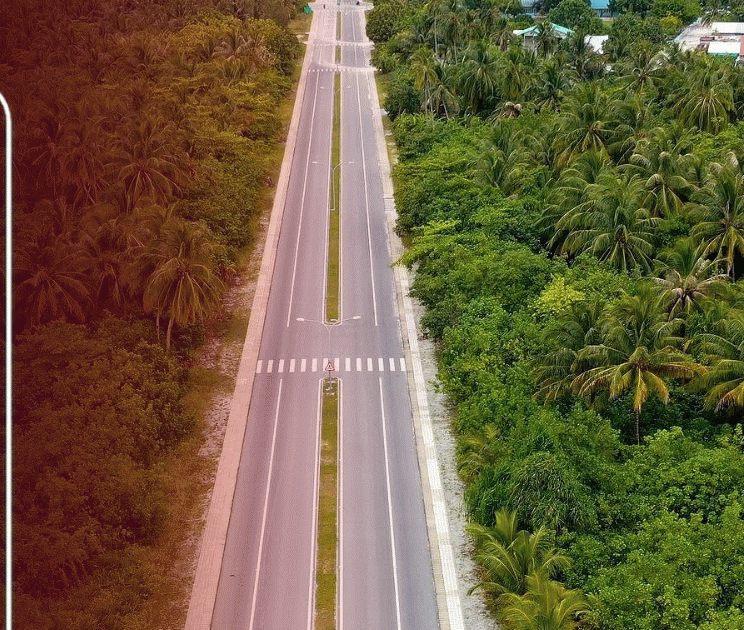
L. Gaum Introduces Fee for Tree Exports to Protect Greenery
A new procedure has been announced in L. Gaum, the largest island in the Maldives by land area, requiring a payment of 100 rufiyaa for every tree removed and exported from the island for business purposes. The procedure, made public by the Gaum Council, prohibits cutting, processing, and exporting any tree or plant without a permit from the Council. It bans the cutting and export of trees planted as hedges along the seafront, all protected tree species, and trees within a 20-meter radius of legally protected areas. To safeguard wildlife, the removal and export of legally protected plants and trees, as well as those feared to become extinct, is also prohibited. However, pruning overgrown branches and roots that cause damage to neighboring properties is allowed with Council permission. If more than 50 trees are removed or an area exceeding 4,000 square feet is cleared, a report on the environmental impact must be submitted to the Environmental Regulatory Authority (ERA); otherwise, the Council issues the permit directly. Fees include 50 rufiyaa per form, 100 rufiyaa per tree for business export, 25 rufiyaa for a tree circumference of 10 centimeters plus five rufiyaa per additional centimeter, 2,000 rufiyaa for each extension of time, and 10 rufiyaa per tree cut for personal use. Permits are granted three days after planting saplings in the nursery for export, and seven days for other locations. The procedure also requires that two trees or plants be planted for every tree cut, processed, or dug up, and that trees can only be taken to other islands with Council permission. Environmental associations have previously expressed concerns about the large-scale removal of trees from islands for business purposes.