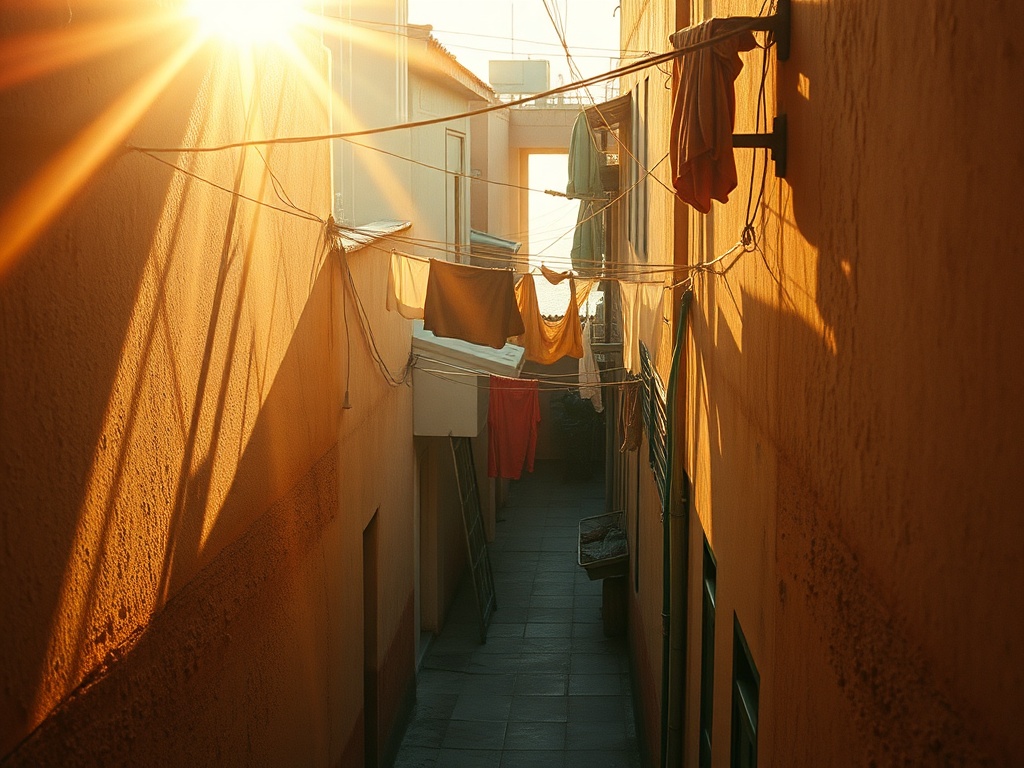
Laundry Lines Between Coral Walls, the Sea Just a Sliver Beyond
In the narrow spaces between coral-stone walls, where laundry lines crisscross like forgotten bridges, life unfolds in patterns both ancient and newly strained. The sea that once defined our rhythms now whispers of different tides—tides of people moving, of opportunities receding, of dreams both nurtured and deferred.
There's a particular quality to the afternoon light in Malé, when the sun slants between buildings and casts long shadows across crowded streets. In those moments, the city feels both intimate and overwhelming, a place where everyone knows everyone yet many remain strangers to the possibilities they seek. The youth gather in small clusters, their conversations a mix of Dhivehi and borrowed phrases, their aspirations bumping against the hard edges of reality.
Beyond the capital's confines, the atolls maintain their own quiet dignity. Fishermen still read the waves like pages of a familiar book, though the catch doesn't always match the effort. The resorts glitter on distant horizons, pockets of plenty that somehow feel separate from the daily struggles back home. There's a disconnect between the luxury we showcase and the practicalities we navigate—a gap bridged by remittances sent and received, by medicines sought abroad, by housing arrangements that strain both family and finances.
Yet in this tension between tradition and transition, there persists a remarkable resilience. It's in the way neighbors still share meals during Ramadan, how communities rally when storms threaten, how the elderly remember islands less crowded and more connected. The Maldivian spirit has always been one of adaptation—of building lives on shifting sands and rising seas. Perhaps what we're witnessing now is simply another form of this eternal adjustment, another chapter in our ongoing conversation with the ocean that both sustains and challenges us.
The real story of these islands isn't found in headlines or political speeches, but in the quiet determination of students studying by generator light, of nurses making do with limited supplies, of parents balancing multiple jobs to keep their children in school. It's in the unspoken understanding that while the waves may change, the navigational stars remain constant—our shared history, our cultural anchors, our collective hope that the next tide might bring calmer waters.
— Source fragments: Youth issues: Drug use, unemployment, lack of educational/job opportunities; Housing: Crisis in congested capital, Malé; Economy: High cost of living; Healthcare: Inadequate; many travel abroad for treatment