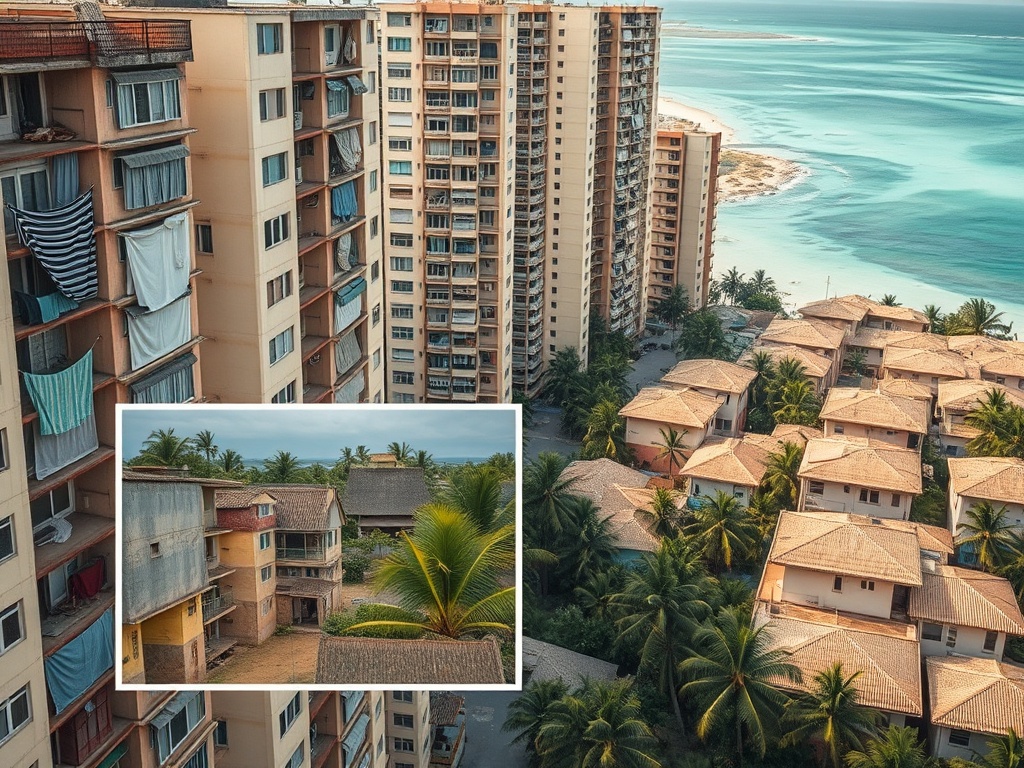
Laundry Lines Between Towers, No Space for a Coconut Tree
The conversation echoes across cramped apartments and crowded cafés throughout Malé, a city grappling with a housing crisis that has become both economic reality and political battleground. The fundamental question isn't just about shelter—it's about who benefits from the scarcity, and why solutions remain perpetually out of reach.
At the heart of the debate lies a stark contradiction: while demand for housing in the capital reaches desperate levels, policy responses often seem designed to maintain rather than resolve the crisis. Critics argue that government approaches have effectively preserved conditions where landlords and connected businesses maximize profits from strategically created demand. The market distortion is so severe that even well-intentioned interventions risk backfiring—rent controls might spawn black markets rather than relief, while subsidized housing sometimes becomes another revenue stream for those already positioned to benefit.
The problem transcends simple supply and deficit. The crisis represents a fundamental breakdown in how Maldivians relate to space, community, and dignity. Older generations recall a different reality—a time when families owned not just structures but the land beneath them, when banana and coconut trees marked territory that felt permanently, securely theirs. Today, that sense of ownership has been replaced by the anxiety of tenancy, where walls are thin enough to hear neighbors' conversations and the threat of displacement looms with every rent increase.
This urban squeeze has created bizarre economic distortions. Foreign workers, often themselves vulnerable, pay premium rents that flow to property owners, creating a system where Maldivians become spectators in their own capital's real estate game. Meanwhile, the mathematics of development discourages solutions—why would anyone take multimillion-rufiyaa loans at double-digit interest rates to build affordable housing when luxury developments promise returns that cover Malé rents with profit to spare?
The political dimensions are equally troubling. Housing has become electoral currency, with campaign promises of solutions that rarely materialize. The public has grown weary of debates that divide rather than resolve, recognizing that strategic policy decisions—not more discussion—are needed. Voters increasingly judge governments by their ability to deliver not just promises but actual homes, understanding that the housing issue may determine electoral outcomes.
What emerges is a system where everyone loses except those positioned at the very top. The solution requires more than just building apartments—it demands rebuilding trust, increasing capacity meaningfully, and creating policies that prioritize shelter as right rather than commodity. Until then, the architecture of crisis will continue to define life in the capital, shaping not just where people live, but how they dream.
— Source fragments: who will pay the tax? the tenants? why govt cant control rent is most of it is pvt property and such a law will only create a black market; govt policy has been maintaining the crisis so the landlords and other businesses can maximise the profits; the problem with growing up in social housing is you own nothing; Campaign will be easy... most of Malé vote depends on how you handle the housing crisis; without having excess capacity there is no way to reduce housing prices; why would anyone take a multi-million rufiyyaa loan at 10.5% interest to build when they could rent this out for profit