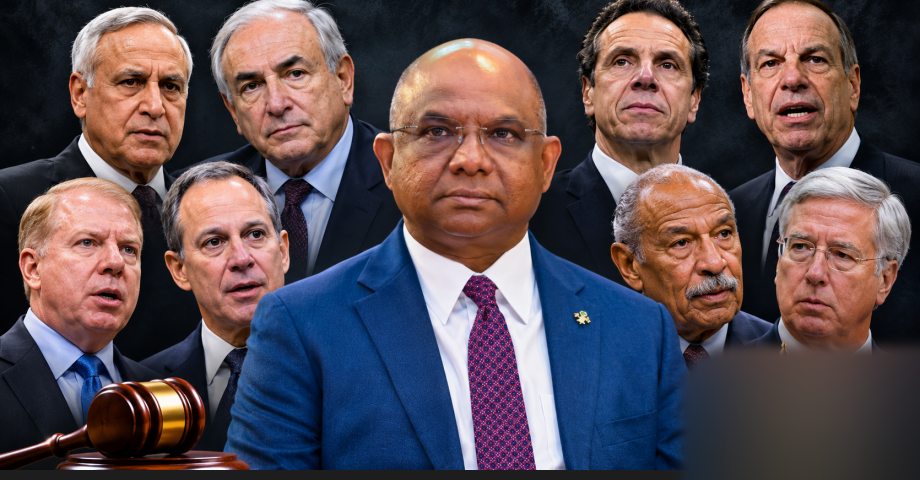
Leaders Whose Political Careers Ended Due to Sexual Crimes: A Global Perspective
With the arrest of former Foreign Minister Abdullah Shahid on allegations related to a child under 18, a familiar pattern has emerged: powerful political figures seeing their careers end over sexual offences. Examining global cases, many influential individuals have lost lifetime achievements, influence, and status in a short time due to such crimes.
Shahid, a distinguished diplomat who served as Foreign Minister from 2007-2008 and 2018-2023, Speaker of the People's Majlis, and President of the 76th UN General Assembly, was arrested on November 2, 2026, while campaigning for the MDP presidential ticket in the 2028 election. His supporters may find the allegations hard to accept, but similar cases have occurred in the Maldives before, such as former Tourism Minister Ali Wahid, who was removed in July 2020 over sexual harassment of female employees, with seven criminal charges including attempted rape.
Globally, the article lists several notable examples:
1. Moshe Katsav (Israel) – Former President, convicted of rape and sentenced to 7 years in prison.
2. Dominique Strauss-Kahn (France/IMF) – Former IMF head, lost presidential hopes after sexual abuse allegations; criminal charges were dismissed.
3. Andrew Cuomo (USA) – Former New York Governor, resigned after an independent investigation found he sexually harassed multiple women.
4. Bob Filner (USA) – Former San Diego Mayor, resigned and pleaded guilty to criminal charges including false imprisonment.
5. Ed Murray (USA) – Former Seattle Mayor, resigned after numerous allegations of child sexual abuse.
6. Eric Schneiderman (USA) – Former New York Attorney General, resigned over domestic violence allegations.
7. John Conyers (USA) – Longest-serving US House member, retired after sexual harassment allegations and a settlement.
8. Michael Fallon (UK) – Former Defence Secretary, resigned amid allegations of inappropriate sexual conduct.
These cases show that political influence and long service do not protect against serious allegations. The outcomes vary: some were convicted and imprisoned, others resigned or settled. An allegation is not proof of a crime, but political consequences can be significant even before a legal conclusion.
With Shahid's arrest, the Maldives enters the global debate on holding powerful figures accountable. His diplomatic achievements, including his UN General Assembly presidency, were historic, but the allegations must be investigated thoroughly, independently, and fairly. The rights of the alleged victim and the protection of dignity must remain paramount. The key question is whether the law applies equally to everyone, regardless of political star power or diplomatic success.