Legalize sub-tenants to fix social housing
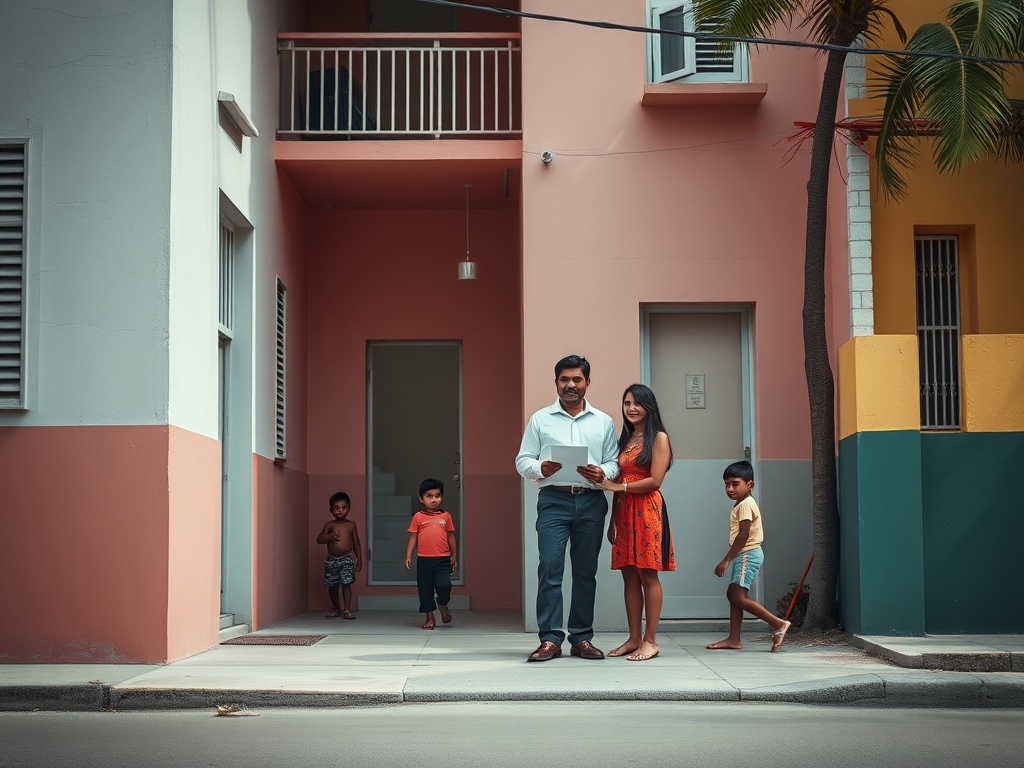
You can see it all over Malé – the government flats meant for our most vulnerable families, but the names on the doors don't match the faces living inside. An aunty who officially holds the lease might be living comfortably in Sri Lanka or Malaysia, while a young couple from her island pays her under the table, always looking over their shoulder. They can't register their child for the local school properly, they hesitate to call a plumber for fear of questions, living in a constant state of temporary. This isn't just a breach of rules; it's a failure of the system's heart.
Your idea to formally transfer the contract is so simple, so fundamentally fair. In a city where space is the ultimate currency, this would be a quiet revolution. It moves the power from the connected few who game the system to the many who just need a roof. That piece of paper – a rental contract in their own name – is more than permission to live somewhere. It's proof of belonging. It's what lets a father go to the bank for a small loan, lets a mother secure a phone line, lets a family finally put down roots in the shifting sands of our capital.
Think of the chain reaction. The original recipient, often someone with political links or an elder with multiple properties, loses their hidden income stream. Good. The apartment is no longer an asset to be exploited; it returns to its purpose as shelter. The actual family living there, perhaps a fisherman from a remote atoll or a young graduate starting their first job, gains legal residency. They can breathe. They can plan. The fear of a sudden, arbitrary eviction notice from the real leaseholder vanishes.
This isn't about punishing people. It's about correcting a distortion in our community. Our islands have always worked on a system of mutual care and responsibility. When someone hoards a resource meant for the collective, it weakens the fabric that holds us together. By recognizing the true tenant, we realign the system with our values. We say that a home is for living in, not for profiting from while others sleep on relatives' couches.
Of course, implementing this would require political will to confront established interests. It would need a clear, transparent process at the Housing Ministry, perhaps even an amnesty period for people to come forward without penalty. But the outcome would be a city where its housing stock finally serves its people. It’s a move towards a Malé where your address is yours, solid and unquestioned, a small patch of stability in the relentless tide of our crowded lives.