Local Cafes, Foreign Currency: The Maldives Beyond the Resort Wall
The conversation around Maldives' economic future has moved beyond theoretical debates. While tourism remains the undeniable engine of our economy, there's mounting recognition that over-reliance on resorts creates vulnerabilities—from foreign currency shortages to limited local benefit. The challenge now is translating this awareness into actionable policy and investment.
Minister Mohamed Saeed's recent announcement of the Maldives Pearl Residence Program represents one approach to attracting foreign capital, but the broader discussion centers on how such initiatives can genuinely diversify our economic landscape. Critics argue that without parallel policies supporting local entrepreneurship, we risk creating economic enclaves that benefit international investors more than Maldivian communities.
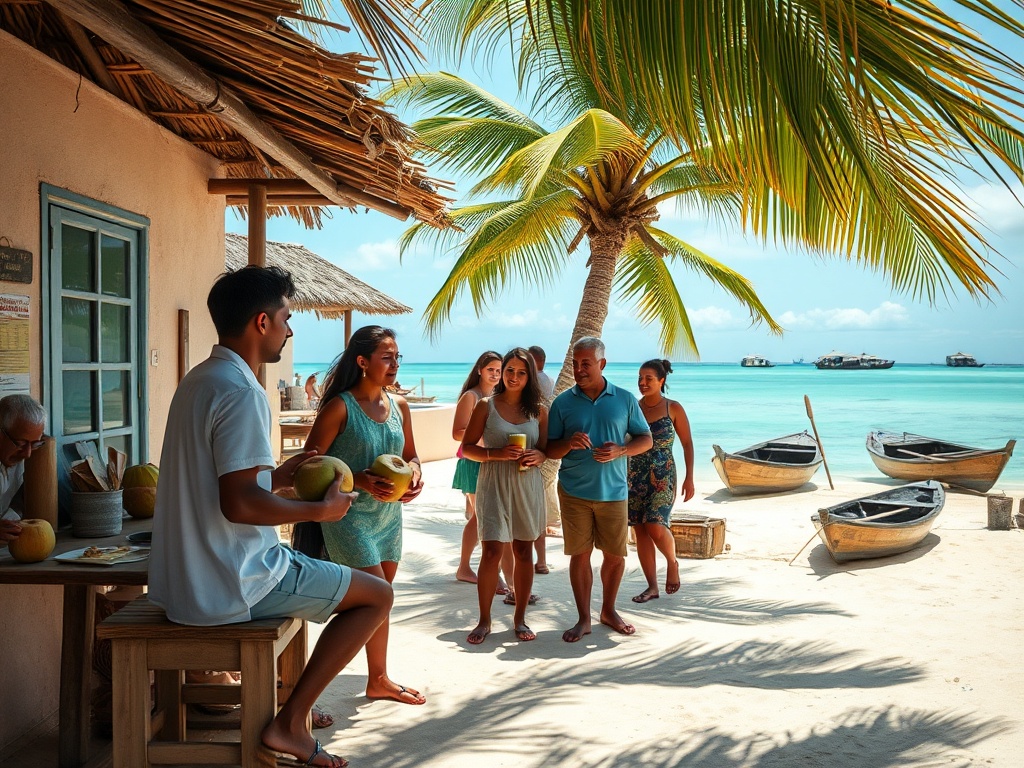
The most promising opportunities lie in developing tourism beyond resort boundaries. Local island tours, community-based cafes, and cultural experiences like traditional 'kilhis' represent untapped potential for keeping tourism dollars within local economies. These ventures could foster engagement with diverse subcultures while creating sustainable livelihoods outside the capital.
Yet implementation gaps persist. As observers note, professionals are indeed paid to develop such initiatives, yet meaningful progress remains elusive. The question isn't whether opportunities exist, but why systemic support hasn't materialized at scale. The answer likely lies in redirecting policy focus toward actualizing potential rather than merely identifying it.
Economic diversification requires addressing fundamental structural issues. Corporate governance reforms could attract investment while addressing sovereignty concerns. Channeling dollar reserves from Maldivian firms into local enterprises—with mandates for job creation and domestic reinvestment—could stimulate broader economic participation.
The debate around privatization reflects this complexity. While some state-owned enterprises like MACL possess established expertise and assets, other sectors might benefit from private investment and technical knowledge. The consensus emerging is for a pragmatic approach: evaluating each case based on its potential to enhance Maldivian economic resilience.
What's clear is that the old model—where tourism revenue primarily benefits resort owners who park profits abroad—is increasingly untenable. The path forward requires policies that encourage dollars to flow to local islands, support small and medium enterprises, and create economic opportunities beyond Malé. This isn't about abandoning tourism, but about building an economy where its benefits are more widely shared and complemented by other thriving sectors.
As Maldives stands at this economic crossroads, the collective imagination is turning toward what comes after the resort bubble—toward an economy where potential isn't just discussed but realized through concerted action.
— Source fragments: Tourism businesses in private sector; Diversifying economy is a must; Huge potential in other areas; Govt policy must change; Supportive of dollars flowing to local islands; Local tourism tours could take off; Cafes & kilhis could increase engagement; Professionals paid to do this; Corporate governance issues; Sovereignty concerns; Provide more jobs; Channel dollar investments; Privatization where needed