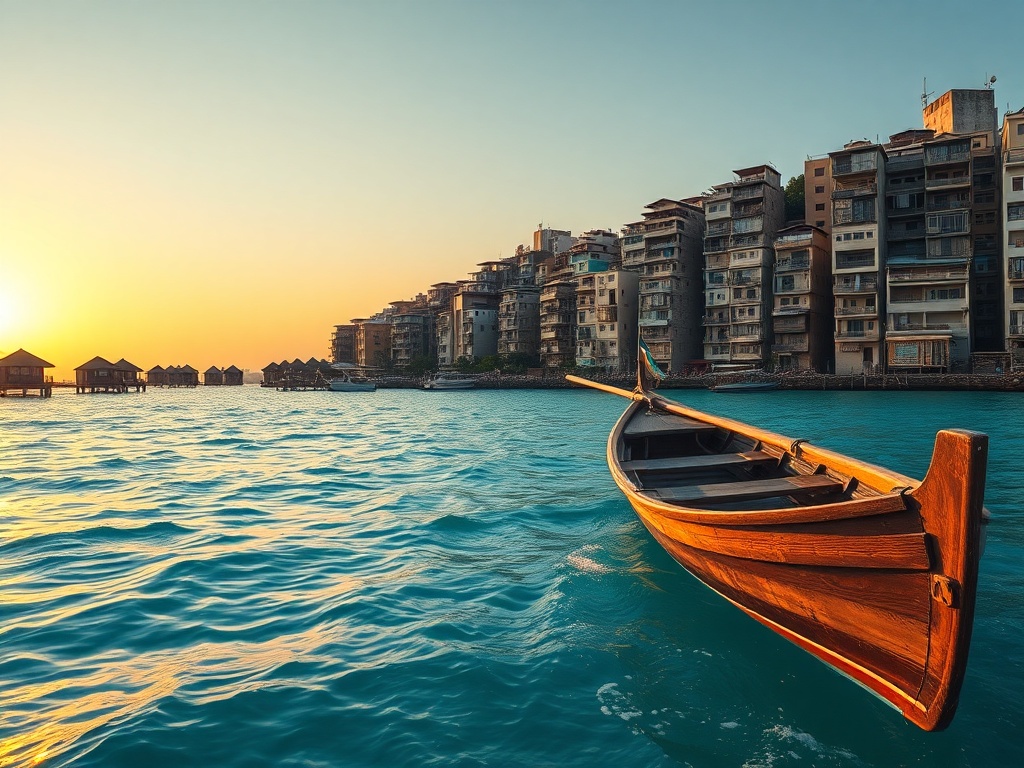
Luxury Resort Views, Malé's Crowded Streets: One Nation's Economic Divide
In the scattered atolls of Maldives, where luxury resorts coexist with crowded urban centers, the debate over wealth and economic justice takes on particular urgency. The fundamental question of whether millionaires and billionaires have an absolute right to their wealth—unless acquired through proven criminal activity—reflects a broader tension between individual rights and collective needs that resonates deeply in this island nation.
The political landscape reveals clear ideological divides. Conservative voices tend to embrace capitalist principles more readily, viewing privatization as a path to efficiency and growth. This perspective finds echoes in global examples like Thatcher's Britain, where state-owned utilities were transferred to private hands as part of a broader rejection of socialist models. Yet in Maldives' context, where tourism revenue often flows offshore and wealth concentrates in few hands, the limitations of pure capitalism become starkly visible.
The inheritance tax debate exemplifies this tension. Both sides ultimately demand justice from authorities—whether in prosecuting criminally acquired wealth or administering fair taxation systems. The difference lies in approach: preventive redistribution versus retrospective justice. This philosophical divide plays out against Maldives' material realities: high living costs, foreign currency shortages, and a tourism-dependent economy where benefits often bypass local communities.
Meanwhile, technological disruption looms on the horizon. The automation revolution that concerns global powers like Saudi Arabia has particular relevance for Maldives. As robots replace human labor worldwide, creating production surpluses but reducing consumer bases, Maldives faces its own version of this challenge. The nation must consider how technological change will affect its tourism workforce and economic model.
The solution cannot be imported wholesale from other socialist projects or capitalist success stories. Maldives needs an economic approach tailored to its unique circumstances: a Muslim nation with limited land, environmental vulnerabilities, and dependence on a single industry. The conversation must move beyond ideological purity to practical solutions that address youth unemployment, housing shortages, and wealth concentration while respecting both individual rights and collective welfare.
What emerges is the need for a distinctly Maldivian economic philosophy—one that acknowledges the legitimacy of wealth creation while ensuring that prosperity reaches beyond resort owners and political elites to the fishermen, tourism workers, and young graduates seeking opportunity in their own country.
— Source fragments: Millionaire or billionaire have the right to their wealth; The Right is far more accepting of Capitalism; inheritance tax if levied will be administered by same authorities; Saudis are realizing something profound about automation; solutions should be based upon material conditions