Luxury Resorts Already Have Solutions for Malé's Infrastructure Problems
Across the scattered atolls of the Maldives, a quiet technological revolution is unfolding in the most unexpected places. While urban centers face infrastructure strain, luxury resorts have perfected systems that could hold lessons for the entire nation.
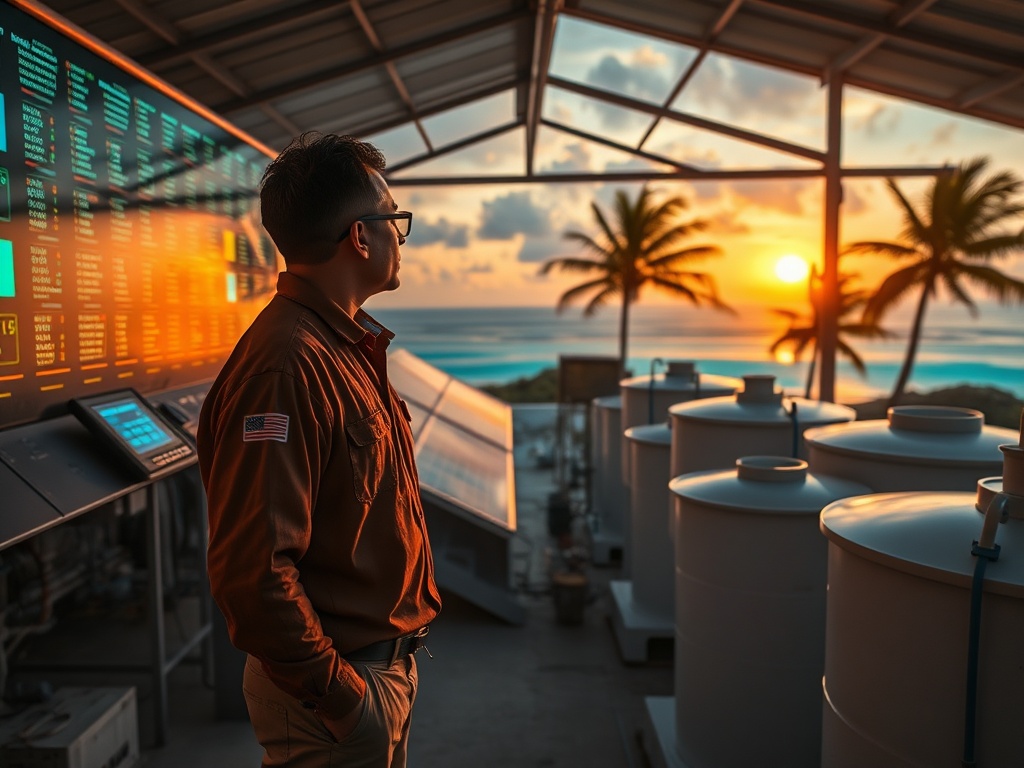
The efficiency of resort operations presents a compelling case study. These self-contained ecosystems manage power generation, water purification, and complex logistics with remarkable manpower efficiency. Their success lies not in unlimited resources, but in optimized technology deployment. Reverse osmosis plants, solar-hybrid power systems, and automated monitoring have become standard in these remote locations, demonstrating that small-scale, appropriate technology can thrive in the Maldivian environment.
This resort-level ingenuity extends beyond physical infrastructure. The recent praise for Bank of Maldives' digital banking advancements highlights how technology can bridge geographical divides. When reliable banking services become accessible through smartphones, it transforms economic participation for island communities otherwise isolated from financial centers.
The available technologies—from rainwater harvesting systems to compact distillation units—are neither exotic nor prohibitively expensive. Their implementation at resort scale proves they can withstand the unique challenges of saltwater environments, limited space, and remote maintenance. The question becomes one of adaptation rather than invention.
What makes these solutions particularly relevant is their scalability. The same principles that power a resort's operations could be modified for local island communities, addressing chronic issues with freshwater access, reliable electricity, and economic connectivity. The technology exists; the innovation lies in reimagining its application beyond the tourism sector.
As the nation navigates economic pressures and infrastructure demands, these technological templates offer more than convenience—they represent pathways toward greater self-sufficiency. The challenge ahead isn't developing new technology, but rather adapting proven solutions to serve broader public needs, transforming resort innovations into national assets.
— Source fragments: The development of technology is the best way to solve quite a few difficulties here; how do resorts manage to run powerhouses and RO plants with minimum manpower? we can learn a lot from resorts; power+small scale distillation or rainwater storage/purification. the technology is available and quite accessible