Magaamuthaki thibey fehey meehaa faada keyshia.
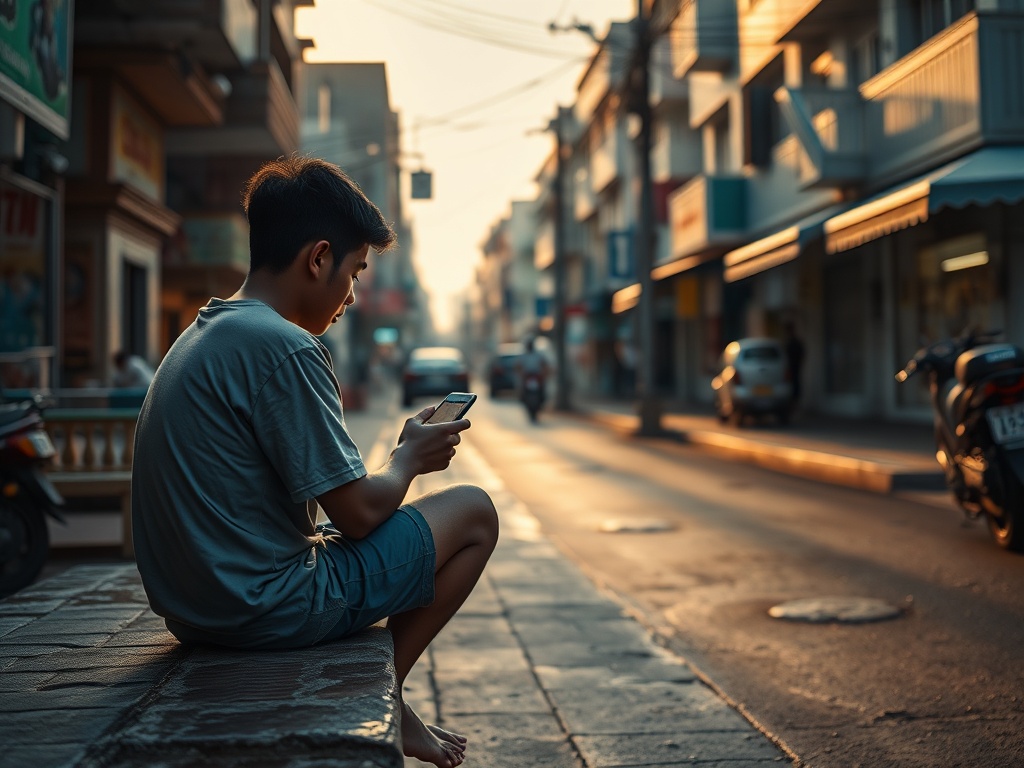
In the narrow streets of Malé, where the hum of scooters blends with the salt-tanged air, a quiet debate simmers. It’s not about politics or climate, but about the devices in our pockets. A voice cuts through the digital noise, asking a question many have pondered: 'Magaamuthaki thibey fehey meehaa faada keyshia.' Why must we pay such a high price? This isn't just about money; it's about the weight of expectation in a society where owning certain brands feels less like a choice and more like a social tax.
Another comment offers a technical correction, pointing out that the newest iPhones no longer include fingerprint sensors. This factual update contrasts sharply with the emotional core of the first statement, highlighting a disconnect between global product evolution and local financial reality. Yet, a third voice asserts that 'When it comes to security Apple products are the best,' reinforcing the perceived justification for the investment. This creates a tension—a collective acknowledgment of quality clashing with the strain on household budgets. Are we paying for superior security, or are we buying into a status symbol that deepens economic divides?
The conversation reflects a broader Maldivian narrative, where imported luxury goods symbolize aspiration amidst rising living costs. We see our neighbors, friends, and family grappling with these choices daily. The allure of a seamless, secure experience promised by premium brands is powerful, but so is the reality of 'hajam nivey fehey magaamu thakaai'—the feeling that prices are set without regard for local means. This isn't merely consumerism; it's a mirror to our values, questioning what we prioritize in an interconnected world. As we navigate these decisions, the dialogue continues—not in boardrooms, but in crowded cafés and on shaded benches, where every purchase is weighed against its true cost to our livelihoods.