Majlis accepts bill to revise criminal evidence disclosure rules, sends it to Judiciary Committee
The People's Majlis today accepted a bill submitted by the government to amend the Criminal Procedure Law to revise the rules on disclosing evidence in criminal cases, and sent it to the Judiciary Committee for further study.
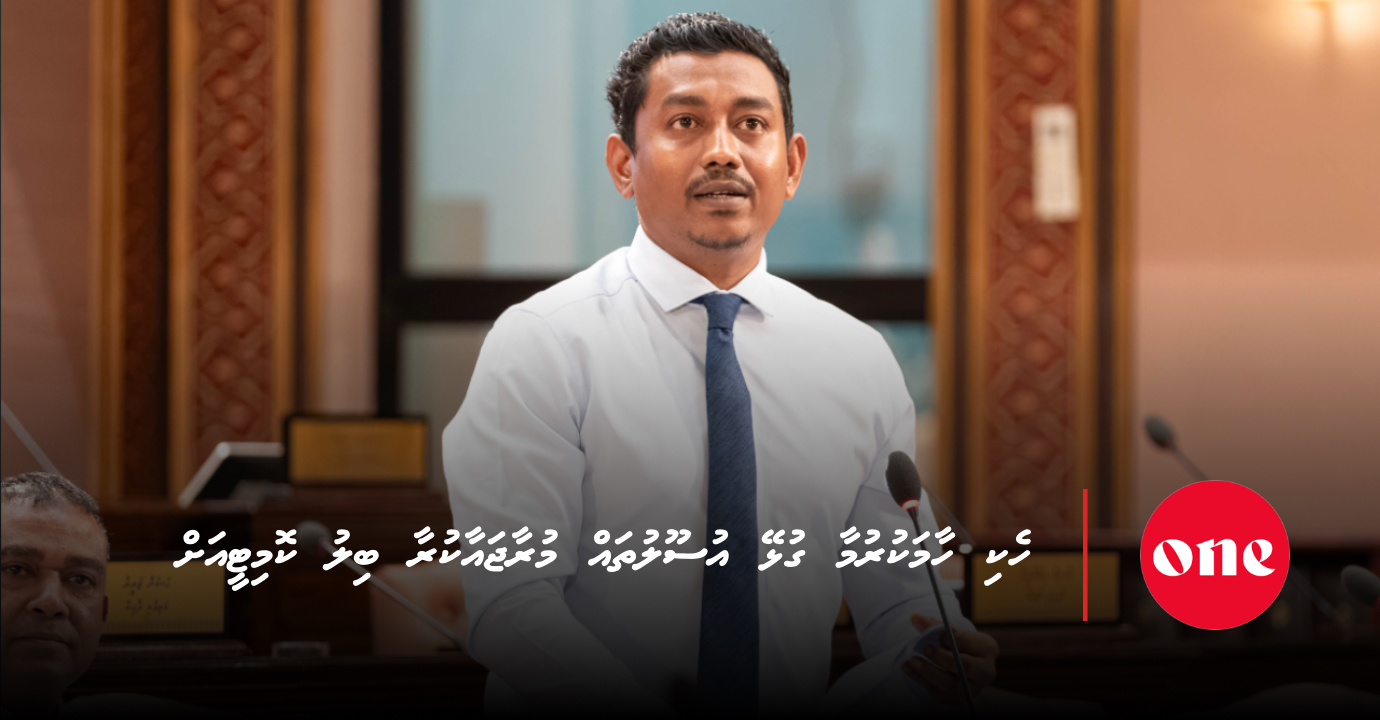
The bill was presented to the Majlis by Funadhoo constituency PNC member Mohamed Mamdhooh. It was accepted at today's session with the agreement of 45 members who voted out of the 46 members present.
The bill states that its purpose is to revise the rules relating to disclosure of evidence in criminal cases and to bring necessary amendments to the law in connection with the bill related to proceeds of crime.
The bill generally includes changes to broaden the authority to submit secret evidence in criminal cases. Accordingly, the powers available to the state and the prosecution when seeking an order to protect information and evidence that should not be disclosed have been separately detailed in the bill.
The bill most widely expands the powers available to the state in protecting evidence and keeping information secret.
Under the current law, information that the state is not required to disclose includes documents such as reports prepared solely for the use of investigative authorities, and statements given to a government employee, a lawyer, and a person who is or may be a witness.
In situations where requests are made to court not to disclose evidence that must be disclosed, or to disclose only to a certain extent, or to postpone disclosure of evidence, under the authority provided to the court, that authority is currently available where any person would suffer physical or sufficiently large economic loss, coercion, obstruction of investigation, or where it is deemed that the authenticity of evidence may be distorted, or evidence may be destroyed, damaged or lost.
The amendments proposed to the law in this bill include additional circumstances for the state to keep evidence secret and protected.